Spearfishing Laws in Australia: Restricted Areas and Legal Species
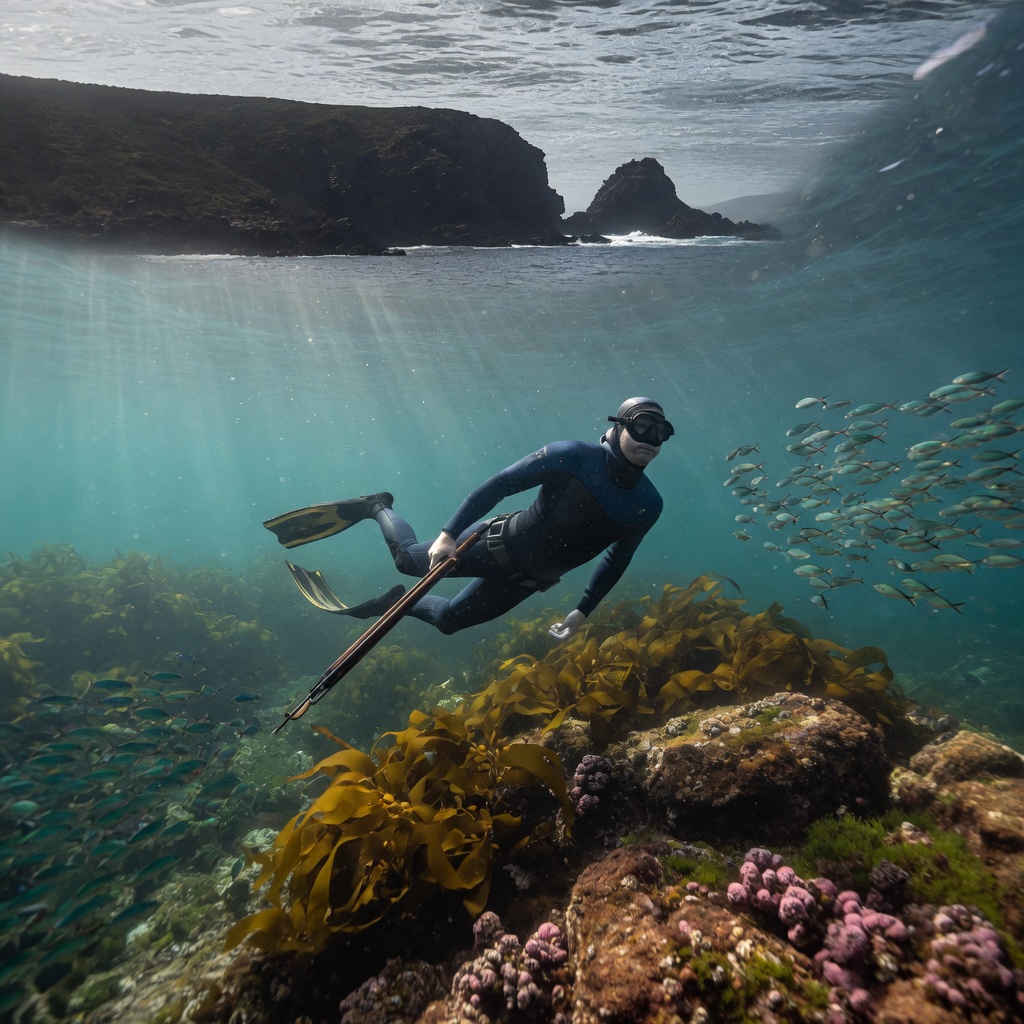
Spearfishing Is Legal in Australia, But Only in the Right Places
Spearfishing is a recognised form of recreational fishing across every Australian state and territory, but it carries a tighter set of location rules than line fishing. The same beach where you can legally cast a rod may be closed to spearguns, and the same fish you can keep on a hook may be off limits when taken underwater. Because spearfishing is a selective method, fisheries agencies treat it separately in legislation and often exclude it from popular swimming areas, harbours, wharves and shore-based fishing platforms.
Around Sydney and along the wider New South Wales coast, spearfishing is permitted in most open coastal waters where you hold a valid recreational fishing fee receipt, yet it is prohibited in a long list of aquatic reserves, intertidal protected areas and enclosed harbour zones. Every state runs its own list. Before you enter the water, confirm the zoning for the exact reef, headland or bay you plan to dive.
Where Spearfishing Is Commonly Restricted
- Marine park sanctuary zones - no take of any kind, including spearfishing, in green or no-take zones nationwide.
- Aquatic reserves and intertidal protected areas - many restrict or ban spearfishing even where line fishing is allowed.
- Enclosed harbours and estuaries - several states prohibit spearfishing in rivers, inlets and harbour waters to protect resident fish stocks and public safety.
- Swimming beaches and patrolled areas - loaded spearguns are generally banned near bathers, jetties, boat ramps and moorings.
- Freshwater - spearfishing in fresh water is banned or heavily restricted in most jurisdictions, with limited exceptions for declared pest species in some states.
- Recreational fishing havens and closed seasons - temporary or permanent closures apply during spawning periods for species such as certain groper, snapper and mulloway.
Reading zoning maps correctly is the single most useful skill a spearo can develop. Our page on fishing maps, restricted waters and local fishing areas explains how to interpret boundary coordinates, shore markers and zone colours before you swim out.
Legal Species and Protected Species
Spearfishers must obey the same bag limits and legal minimum sizes as other recreational fishers, plus additional species prohibitions. Common targets that are legal in open waters include kingfish, snapper, morwong, luderick, mullet, trevally, bream and a range of reef species, subject to size and bag limits.
Species that are frequently protected from spearfishing include eastern blue groper in New South Wales, potato cod, Queensland groper, great white and grey nurse sharks, all sea turtles, marine mammals, seahorses and syngnathids, and giant clams. Taking any protected species carries significant penalties, and ignorance of a species identification is not accepted as a defence. Learn to identify look-alike species before you take a shot, because an underwater decision cannot be undone the way a hooked fish can be released.
Gear, Licences and Handling Rules
- Hold the correct recreational fishing licence or fee receipt for the state you are diving in, unless you fall within a listed exemption.
- Use only permitted gear. Spearguns, hand spears and pole spears are generally allowed; explosive-powered devices, scuba-assisted spearfishing and powerheads are restricted or banned in most states.
- Never load a speargun out of the water or near other people.
- Carry a dive flag or float where required, and stay within legal distance of boating channels.
- Keep your catch measurable. Fish must usually remain whole or with head and tail intact until you are ashore so that inspectors can verify size.
Practical Planning Checklist
Check the zoning map for the exact site, note the closest legal boundary landmark, confirm current bag and size limits, review any seasonal closure for your target species, and check weather and swell before committing. If you are diving with a group, brief everyone on which species are off limits that day. When rules are ambiguous, the safe assumption is that the area is closed until an official source confirms otherwise.
For general questions about licences and where to find state fisheries information, contact Fishing Licence Australia on +61250701250 or [email protected] during Mon–Fri: 09:00 – 17:00 (AEST). We provide guidance and summaries only; the relevant state fisheries authority remains the final legal source for spearfishing rules.
Navigation
See also
FAQ