ACT Recreational Fishing Licence Guide
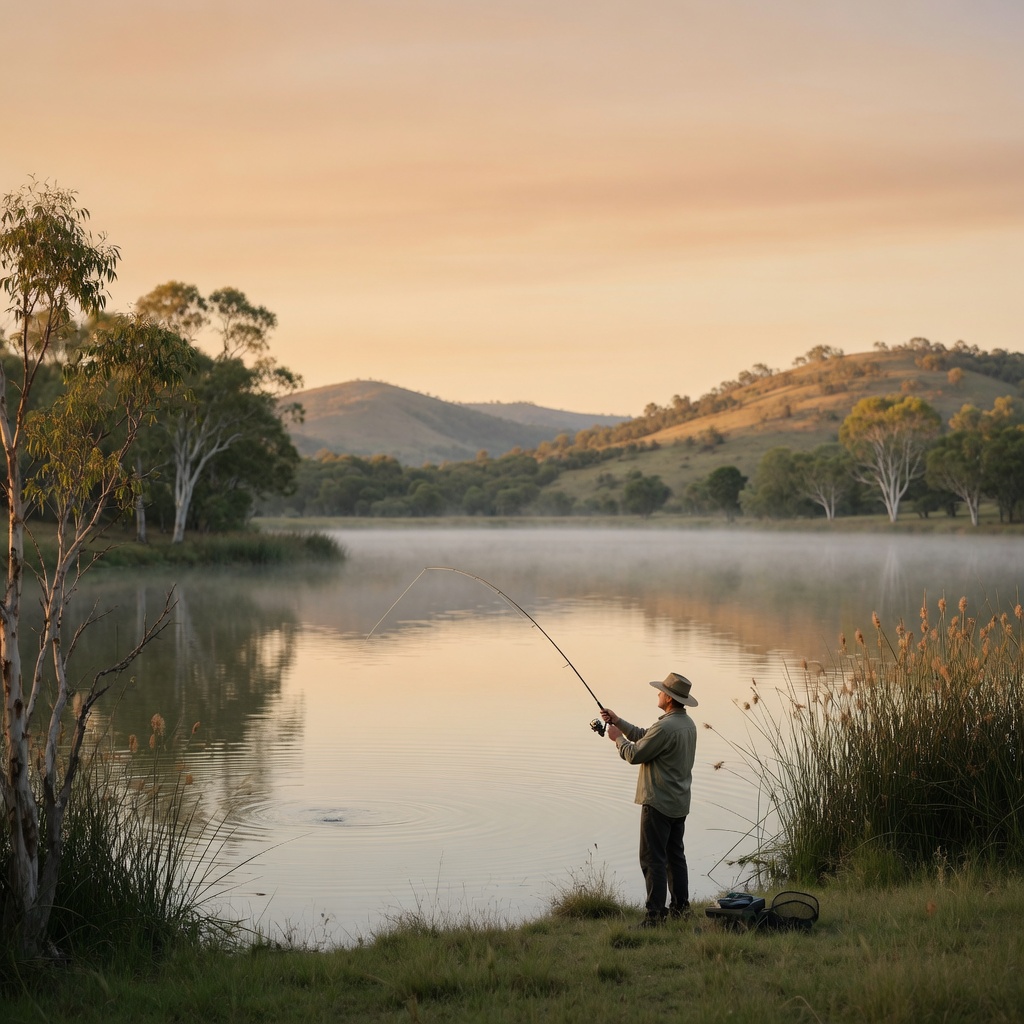
Fishing in the ACT: what anglers need to know first
The Australian Capital Territory is one of the smaller fishing jurisdictions in Australia, but it is also one of the most closely managed. Its waters are almost entirely freshwater — urban lakes such as Lake Burley Griffin, Lake Ginninderra and Lake Tuggeranong, plus river systems including the Murrumbidgee, Molonglo and Cotter. Because these waters feed into wider Murray-Darling catchments, the ACT applies rules on closed seasons, bag limits, size limits and protected native species that are designed to protect breeding fish rather than simply to raise revenue.
Unlike some states, the ACT has historically taken a different approach to general recreational fishing licences for its own waters. That does not mean fishing is unregulated. Anglers are still bound by territory fisheries legislation, specific permits for certain activities or locations, and the rules of individual reserves and catchment areas. Because licence and permit arrangements can be amended by the responsible ACT directorate, Fishing Licence Australia strongly recommends confirming current requirements with official ACT Government fisheries information before you fish.
Permits, exemptions and special cases
Where a permit or written authority may be required in the ACT, it usually relates to activities beyond ordinary line fishing. Typical examples include:
- Fishing competitions and organised events held on territory waters, which may need approval and event conditions.
- Scientific, educational or survey activities involving collection, tagging or handling of fish.
- Use of nets, traps or set lines, which are generally restricted or prohibited for recreational anglers.
- Access to closed catchments such as protected water supply areas, where entry itself is controlled.
- Stocking or moving live fish, including bait transfer, which is tightly controlled to prevent disease and pest spread.
Exemptions commonly discussed by anglers — such as arrangements for children, pensioners or Indigenous cultural fishing — differ from state to state. Never assume an exemption you have used interstate applies in the ACT, and never assume an ACT arrangement applies once you cross the border.
Crossing the border: ACT versus NSW rules
This is the single biggest source of confusion for Canberra-based anglers. The ACT is surrounded by New South Wales, and NSW operates a paid recreational fishing fee system that applies to almost all recreational fishing in NSW fresh and salt waters. If you drive twenty minutes out of Canberra to fish a NSW river, dam or coastal spot, you are subject to NSW requirements, including holding a current NSW recreational fishing fee receipt while fishing, unless a specific exemption applies to you.
Practical advice for anglers based in or visiting Sydney and Canberra:
- Work out which jurisdiction you are actually standing in — some access tracks and lake shores are close to the border.
- Carry proof of any fee or permit you hold, in printed or digital form, and be ready to show it to an inspector.
- Check bag and size limits for the specific jurisdiction, not the nearest one you remember.
- Confirm whether a closed season applies to your target species before you leave home.
Bag limits, size limits and protected species
The ACT places strong protection on threatened native fish. Species such as Macquarie perch and trout cod are subject to strict protection, and anglers who hook them incidentally are generally required to release them immediately with minimal handling. Murray cod are subject to seasonal closures and slot limits in many inland jurisdictions, while golden perch, redfin and introduced trout are usually managed with daily bag limits.
Good practice regardless of the exact numbers: use appropriate tackle so fish can be landed quickly, keep hands wet, support the fish horizontally, avoid extended photo sessions, and carry a measuring device and knotless landing net. If you are unsure whether a fish is a protected native or a legal-size target, release it.
Gear, bait and access rules
Most ACT recreational fishing is limited to rod and line, typically with a maximum number of lines and hooks per angler. Live finfish as bait is generally prohibited in inland waters, and moving fish or water between catchments risks spreading pests and disease. Many urban lake foreshores also have local rules covering boating, swimming zones, dogs and access after dark, so check signage at the site.
Staying compliant and getting help
Fisheries rules change with stock assessments, drought conditions and pest outbreaks, so treat any printed guide — including this one — as background rather than the final word. Before each trip, check the current official ACT fishing guide, note the closed seasons for your target species, and record your catch honestly if a survey or logbook applies.
If you need help interpreting a rule, or want to confirm which jurisdiction covers a particular stretch of water, contact Fishing Licence Australia on +61250701250 or [email protected] during Mon–Fri: 09:00 – 17:00 (AEST). We can point you to the relevant official fisheries resource so you can verify requirements directly with the responsible agency.
This guide is general information for recreational anglers and is not legal advice. Always confirm licence, permit and bag limit requirements with the official ACT and NSW fisheries authorities before fishing.
Navigation
See also
FAQ