Queensland Recreational Fishing Licence: What You Need to Know
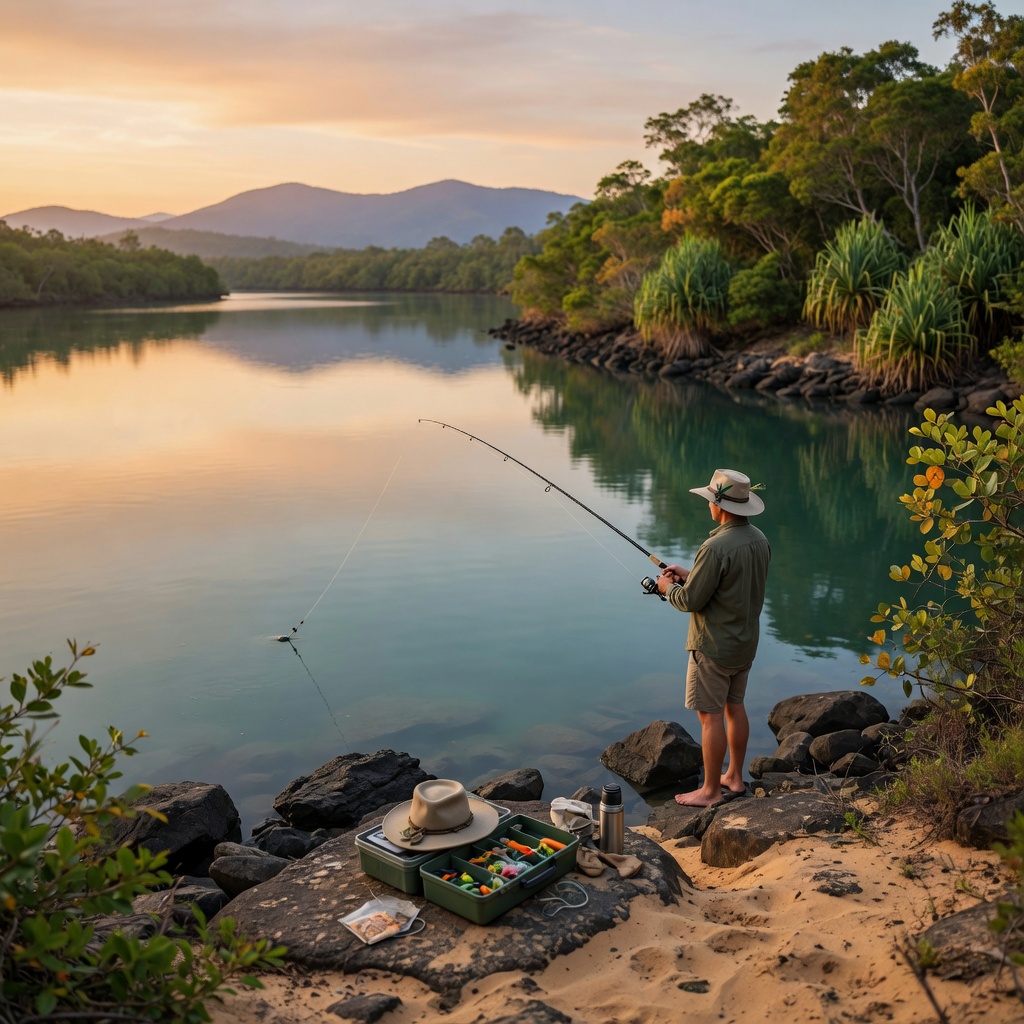
Does Queensland Require a General Recreational Fishing Licence?
Queensland is often described as the odd one out among Australian jurisdictions, and for good reason. Unlike New South Wales or Victoria, Queensland does not operate a general recreational fishing fee that every line angler must pay before wetting a line in tidal or most freshwater waters. This surprises visitors who travel north from Sydney expecting to buy a permit at the tackle shop counter.
However, "no general licence" does not mean "no rules". Queensland runs a system of specific permits and shared arrangements that apply to particular waters, particular gear and particular species. Understanding which category your trip falls into is the practical work an angler needs to do before departure.
Permits That Do Apply in Queensland
Several activities in Queensland attract their own permit or scheme requirements. Anglers should check the following before fishing:
- Stocked impoundment permits — many dams and weirs stocked with barramundi, bass or golden perch are covered by a scheme that funds ongoing restocking. Fishing these listed waters generally requires the relevant permit for the angler.
- Freshwater in shared border waters — some waterways along state boundaries are governed by cross-border arrangements, and a neighbouring state's licence may be the document that applies.
- Special gear and activities — pots, nets, traps and certain collecting activities carry their own conditions, and some are restricted or prohibited outright in defined zones.
- Marine park zoning — green (no-take) zones, yellow zones and other classifications restrict what you may catch and how, regardless of any permit you hold.
Who Is Typically Exempt
Where a permit does apply, exemptions are usually defined narrowly. Commonly recognised categories across Australian schemes include children under a nominated age, certain pension or concession card holders, and Aboriginal and Torres Strait Islander people exercising traditional fishing rights. The precise wording differs from state to state, so an exemption valid interstate is not automatically portable. Always carry evidence of any exemption you rely on, because inspectors are entitled to ask for it on the spot.
Rules That Matter More Than the Paperwork
In Queensland, the enforcement focus tends to sit with size limits, possession limits and closed seasons rather than licence documents. Key checks before every trip:
- Minimum and maximum legal sizes for each species you might land, measured correctly (total length or fork length as specified).
- Possession limits per person, including combined limits that group similar species together.
- Seasonal closures, particularly for barramundi and coral reef fin fish spawning periods.
- No-take species such as protected sharks, sawfish and certain groupers, which must be released regardless of size.
- Zoning maps for marine parks and fish habitat areas, checked against your intended location.
Practical Preparation Checklist
Keep a current species measurement guide in the boat, carry a reliable ruler or brag mat, and record your catch honestly against the daily limit. If you fish across state lines during a single trip, treat each jurisdiction separately and hold the correct document for each. For a broader comparison of how the states differ, see our permits and exemptions overview.
Where to Confirm Current Requirements
Fisheries rules change with stock assessments and seasonal reviews, so treat any guide, including this one, as an orientation rather than the final word. Confirm current size limits, closures and permit conditions with the official Queensland fisheries authority immediately before you fish. If you would like help interpreting a rule or locating the correct official source, contact Fishing Licence Australia on +61250701250 or by email at [email protected] during Mon–Fri: 09:00 – 17:00 (AEST).
This page is general information for recreational anglers and is not legal advice.
Navigation
See also
FAQ