Recreational Fishing Gear Rules: Nets, Lines, Hooks and Equipment
Why Gear Rules Matter as Much as Bag Limits
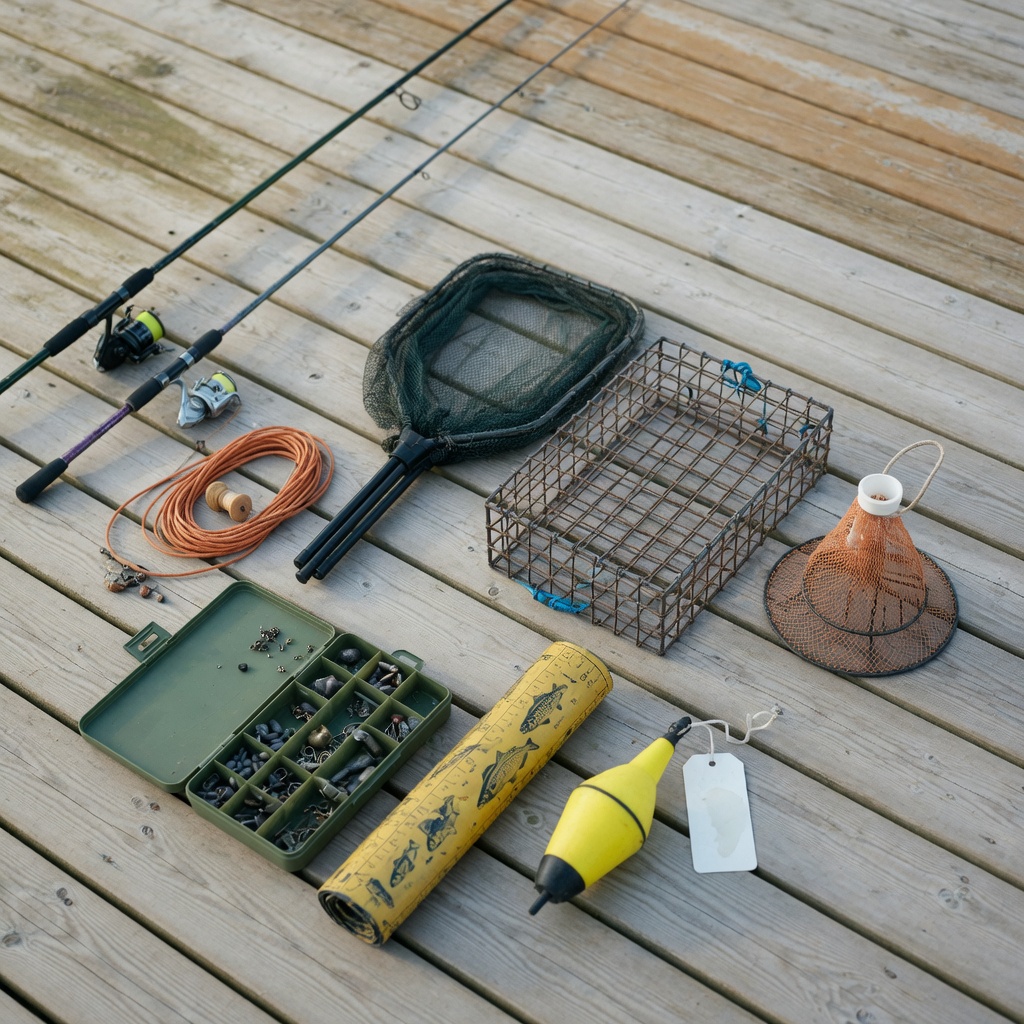
Most anglers know about bag and size limits, but gear rules are just as heavily enforced. Fisheries officers in Sydney and along the wider New South Wales coast routinely inspect rods, hand lines, traps, nets and even the way gear is stored in a boat. Using an unapproved net, setting too many traps, or leaving unattended lines can result in penalties and confiscation of equipment, regardless of whether you caught anything at all.
Gear rules exist because equipment determines fishing pressure. A single legal hand line has a very different impact to a long set net, and traps continue working whether you are watching them or not. Understanding what is permitted before you head to the water is the simplest way to stay compliant.
Rods, Hand Lines and Hook Limits
Across most Australian states, recreational line fishing is limited by the number of lines and hooks a single person may use. Common themes include:
- Attended gear only — lines generally must remain under your immediate control and within reach, not left unattended on a beach or jetty.
- Limits on lines per person — typically a small number of rods or hand lines, with lower limits in some inland and freshwater waters.
- Limits on hooks per line — many jurisdictions cap the number of hooks, with gangs of hooks or multi-hook rigs sometimes counted differently.
- Restrictions on hook type — some waters require single hooks, non-offset circle hooks, or ban treble hooks when using bait for certain species.
If you fish for tuna, kingfish or snapper offshore from Sydney, also check rules on the use of berley, live bait and whether specific rigs are restricted in nearby marine park zones.
Nets: What Is Usually Allowed
Recreational net use is tightly controlled. In many coastal waters, only certain nets are permitted, such as small bait nets, hand-hauled hauling nets, dip nets, landing nets and prawn scoop or push nets. Mesh size, drop, overall length and the waters where each net may be used are all specified in state fisheries rules. Some estuaries and river systems are closed to nets entirely to protect juvenile fish and threatened species.
Practical points to check before using any net:
- Is the net type listed as legal for recreational use in that specific waterway?
- Does the mesh size and net dimension comply with published measurements?
- Must the net be attended at all times, and is night use permitted?
- Are there closed areas, closed seasons or protected species that make net use unlawful there?
Traps, Pots and Crab Gear
Traps and pots for crabs, yabbies and lobsters usually carry the strictest conditions: a maximum number per person, prescribed dimensions, escape gaps, entrance sizes and mandatory identification. Most states require each trap and its surface float to be clearly marked with the owner's name or a supplied identification number. Untagged or excess gear is often seized on the spot.
Set your gear responsibly: use floats that are visible to boat traffic, retrieve traps promptly, and never leave gear soaking beyond the permitted time. Lost traps become ghost gear that keeps killing marine life long after the trip ends.
Prohibited and Restricted Equipment
Some equipment is banned for recreational fishers almost everywhere in Australia. This commonly includes explosives, poisons, firearms used to take fish, electrical devices, set lines in many waters, and gaffing of certain protected or undersized species. Spearfishing gear is legal in many coastal areas but is prohibited in most freshwater, in marine park sanctuary zones, and often within a set distance of swimming areas, wharves and boat ramps.
Powerheads, spring-loaded devices and the use of scuba while spearfishing are restricted in various jurisdictions. If you are unsure, treat the gear as prohibited until you confirm otherwise.
Freshwater Gear Differences
Freshwater rules in New South Wales differ noticeably from saltwater rules. Trout waters often restrict fishers to artificial lures or flies during certain periods, ban the use of live finfish as bait, and prohibit bait fishing in nominated streams. Yabby traps of the opera house style have been restricted or banned in a number of waterways to protect platypus and turtles, with open-top lift nets promoted as the safer alternative.
Checking the Rules Before You Fish
Gear regulations change and vary by state, waterway and season. Always confirm current rules with the official fisheries agency for the state you are fishing in, and check whether the location sits inside a marine park zone with additional gear restrictions. Carry your licence details and keep a current gear guide with you.
Fishing Licence Australia provides plain-language summaries to help you interpret official rules. Start from our fishing rules overview to find state-specific guidance, and contact us on +61250701250 or at [email protected] during Mon–Fri: 09:00 – 17:00 (AEST) if you would like help locating the right official resource for your next trip.
Navigation
See also
FAQ