Protected Fish Species You Cannot Keep in Australia
Why some species can never be taken
Every state and territory keeps a list of aquatic species that must be released immediately, regardless of size, season or how they were hooked. These listings exist because the species is threatened, has an extremely slow growth rate, gathers in predictable spawning aggregations, or occupies a very small range. Protection is separate from bag limits and legal lengths: a protected fish has no legal size and no daily allowance at all. In practice this means that if you land one, the only lawful action is a careful, prompt release back into the water at the point of capture.
Anglers around Sydney fish across estuaries, harbour reefs, offshore grounds and coastal rivers, so it is common to encounter more than one protected species in a single season. Knowing them on sight is the simplest way to stay compliant.
Protected saltwater fish commonly encountered in New South Wales
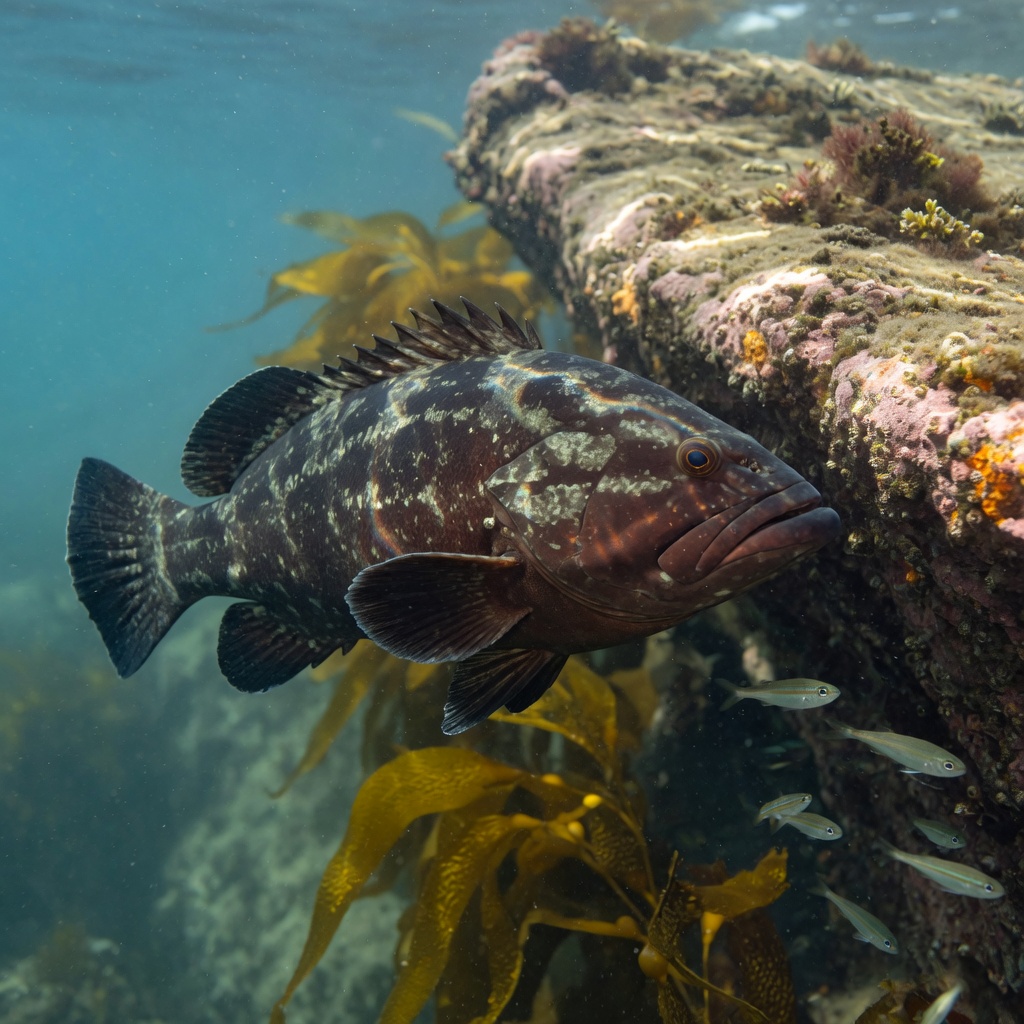
- Black rockcod (also called black cod) — a heavy-bodied grouper found around harbour rock walls, wharf pylons and inshore reefs. Protected in NSW and must be released.
- Queensland groper — the largest reef cod in Australian waters, fully protected in several jurisdictions.
- Eastern blue devil fish — a striking blue and orange cave-dwelling species associated with rocky ledges along the NSW coast.
- Elegant wrasse and Ballina angelfish — rarely caught, but listed and no-take.
- Estuary cod and other listed cod species — protection varies by state, so check the current official list before keeping any large cod-like fish.
Because grouper and cod species look similar to legal reef fish when small, take the time to compare markings before placing anything in the keeper bag or esky.
Sharks, rays and syngnathids
Several sharks and rays are protected nationally or by state law, including the white shark, grey nurse shark, whale shark, green sawfish and speartooth shark. Grey nurse shark aggregation sites along the NSW coast also carry additional gear and access restrictions in critical habitat areas. Seahorses, seadragons, pipefish and pipehorses (the syngnathid family) are likewise protected — they should never be collected from rock pools, jetty pylons or weed beds.
Threatened freshwater natives
Inland and coastal river systems hold some of Australia's most vulnerable fish. Commonly listed species include trout cod, Macquarie perch, eastern freshwater cod, silver perch (protected from recreational take in NSW waters), Oxleyan pygmy perch and several purple-spotted gudgeon populations. Some of these closely resemble legal species — trout cod and Murray cod, for instance — so learn the distinguishing features such as jaw profile, snout shape and body patterning before you fish stocked or wild river reaches.
Marine mammals, reptiles and seabirds
Whales, dolphins, seals, dugongs, sea turtles and seabirds are protected wildlife everywhere in Australia. Interference, feeding and close approach are all restricted. If a seabird takes a bait or a turtle becomes entangled, do not cut and abandon the line — contact the relevant fisheries or wildlife authority for guidance.
What to do if you hook a protected species
- Keep the fish in the water where possible and avoid lifting it by the jaw or gills.
- Use wet hands or a wet, knotless net; never drag fish across dry rocks, sand or hot boat decks.
- Cut the line close to the hook if it is swallowed deeply rather than digging it out.
- Support larger fish upright until it swims off strongly.
- Do not photograph in a way that requires prolonged air exposure — a quick in-water shot is enough.
Barbless or circle hooks, heavier leaders that shorten fight times, and long-nose pliers all improve survival rates and reduce the chance of an accidental offence.
How protected species rules interact with closures
Protected listings sit alongside seasonal closures, spawning bans, marine park zoning and aquatic reserves. A species may be fully protected year-round, while others are only closed during a defined spawning window — for example bans that apply to certain estuarine or river species while they breed. Sanctuary zones in marine parks may also prohibit all fishing, even for species that are otherwise legal to keep. Always check the zoning map for the water you intend to fish, and remember that possession offences can apply on the water, on the ramp and in transit.
Staying up to date
Protected species lists are amended as scientific assessments change, so treat printed guides as a starting point only. Before each trip, confirm the current list, closures and zoning through the official state fisheries source for the waters you are fishing, and carry evidence of your recreational fishing fee or licence where required. Fishing Licence Australia summarises the rules in plain English, but the official fisheries determination always takes precedence.
If you are unsure about an identification, questions can be sent to [email protected] or raised by phone on +61250701250 during Mon–Fri: 09:00 – 17:00 (AEST). When in doubt on the water, the safest choice is simple: release the fish.
Navigation
See also
FAQ