Official Fisheries Websites and Fishing Apps by State
Why the Official Source Always Wins
Recreational fishing in Australia is managed separately by each state and territory, which means bag limits, legal size limits, closed seasons and licence requirements can change the moment you cross a border. Forum posts, printed brochures from previous seasons and second-hand advice at the boat ramp all go out of date. The only reliable reference is the fisheries authority responsible for the water you are standing in or floating on, and its companion mobile app.
Fishing Licence Australia exists to help you find and interpret those official resources. We summarise and explain, but every trip should begin with a quick check of the current rules published by the relevant agency. If you fish across state lines, or travel between the coast and inland rivers, build the habit of checking twice: once for the licence, once for the species rules.
Which Agency Manages Your Water
- New South Wales - the state fisheries division within the primary industries department manages the recreational fishing fee, saltwater and freshwater rules, and the NSW marine park zoning that affects Sydney anglers directly.
- Victoria - a dedicated recreational fishing authority handles licences, stocking programs and inland closures.
- Queensland - fisheries sit within the state agriculture and fisheries department; no general recreational licence applies in most tidal waters, but stocked impoundment permits do.
- South Australia - primary industries and regions manages size and bag limits plus extensive marine park sanctuary zones.
- Western Australia - the state fisheries department issues several separate recreational licences, including boat, rock lobster and freshwater angling.
- Tasmania - inland fisheries and marine resources are administered by two different bodies, so freshwater and sea fishing rules are published separately.
- Northern Territory - fisheries operate under the territory industry and trade portfolio, with strong emphasis on tidal and barramundi rules.
- Australian Capital Territory - inland waters are managed by the territory environment agency, with a licence requirement for most angling.
Commonwealth waters beyond the state limit, along with protected species such as certain sharks, sawfish, seahorses and marine mammals, are covered by federal environment and fisheries legislation that applies in addition to state rules.
What the Official Apps Actually Do
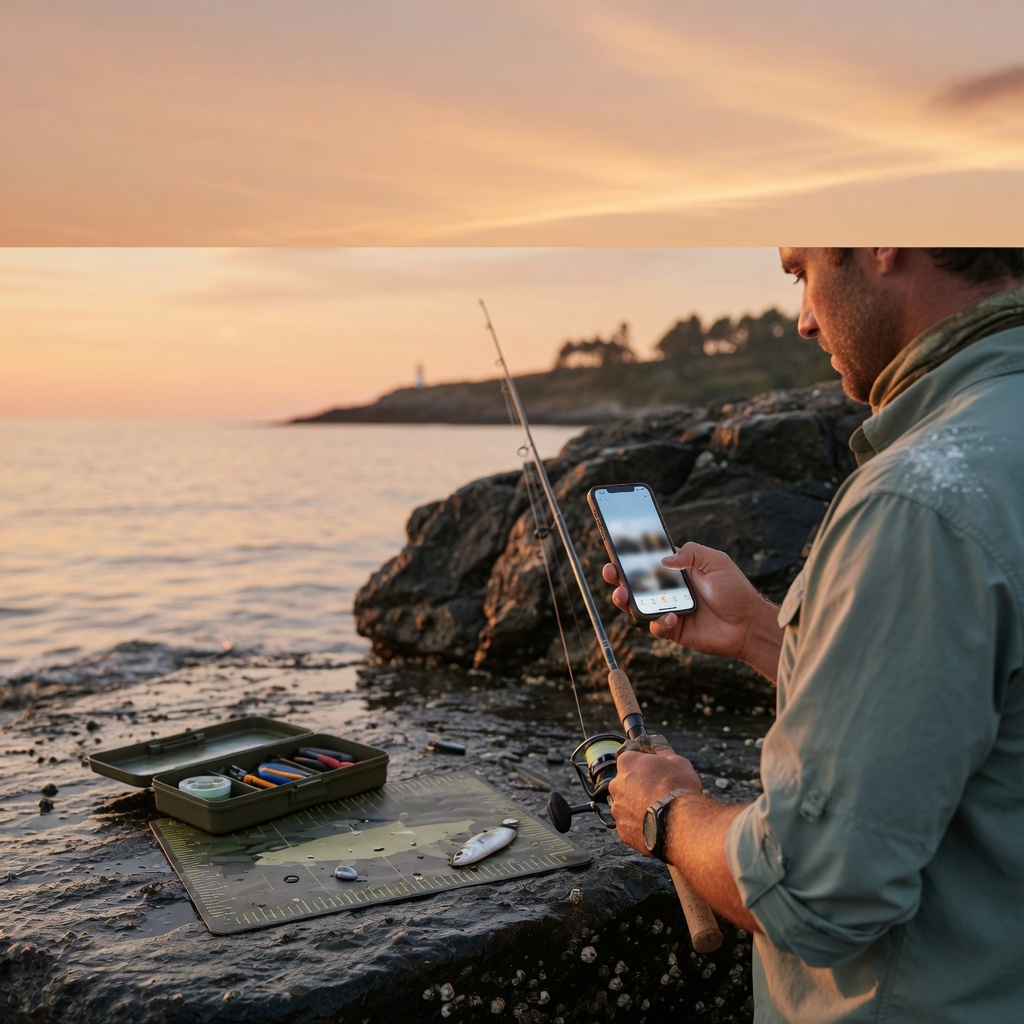
Most jurisdictions now publish a free fishing app, and the good ones share a similar feature set. Expect a searchable species list with legal minimum and maximum lengths, daily and possession bag limits, closed season dates, and photographs to help identify look-alike species. Many include a measuring guide explaining whether length is total, fork or carapace, which is the detail most often misunderstood.
- Offline access - download the species database before you leave phone coverage, especially for estuary and offshore trips.
- Zoning maps - several apps overlay marine park sanctuary, habitat protection and general use zones on your GPS position.
- Licence storage - some allow you to keep a digital copy of your recreational fishing fee receipt on the device.
- Reporting tools - illegal fishing hotlines, tagged fish reporting and catch logs are commonly built in.
Treat the app as a convenience layer, not a legal defence. If the app and the published regulations disagree, the regulations prevail, so check the effective date shown in the app settings.
A Practical Pre-Trip Routine
- Confirm whether the water is tidal or inland and which agency covers it.
- Buy or renew the required licence or fee online and save the confirmation.
- Open the official app and refresh the species database.
- Check zoning for marine parks, sanctuary areas, aquatic reserves and fishing closures near your launch point.
- Note any current seasonal closure, such as spawning closures for freshwater natives or bans on taking certain species.
- Carry a rigid measuring device and know how each target species is measured.
For a jurisdiction-by-jurisdiction breakdown of who needs a licence and what it covers, see our overview of fishing licences by state and territory.
Getting Help
Rules around bag limits, protected species and marine park boundaries can be genuinely complex, particularly for visitors fishing around Sydney for the first time. If a regulation is unclear, contact the relevant fisheries agency directly before you fish. You can also reach the Fishing Licence Australia team on +61250701250 or at [email protected] during Mon–Fri: 09:00 – 17:00 (AEST) and we will point you to the correct official page, form or app for your situation.
This page is general information only. It is not legal advice and does not replace the current regulations published by the responsible fisheries authority.
Navigation
See also
FAQ