Latest Australian Recreational Fishing Regulation Updates
Why Fishing Rules Change So Often in Australia
Recreational fishing in Australia is managed state by state, and each fisheries agency reviews its rules regularly using stock assessments, catch surveys and community consultation. That means bag limits, legal size limits, closed seasons and gear restrictions can change from one season to the next, sometimes with only a short notice period. Anglers who fished the same estuary or reef for years may find that a species has moved from a general bag limit to a combined limit, or that a new spawning closure now applies to part of the coastline.
For anglers based in Sydney, the practical takeaway is simple: check the current rules for the exact water body and the exact species before every trip, rather than relying on memory or on what a mate mentioned last summer. Fishing Licence Australia tracks these changes so you can see what has shifted and where to confirm the detail with the official state fisheries source.
What Kinds of Updates Matter Most
- Licence and permit settings — changes to who must hold a recreational fishing fee or permit, and which concession or exemption categories apply.
- Bag and possession limits — daily catch numbers, boat limits, and combined limits that group similar species together.
- Legal size limits — minimum lengths, and in some fisheries maximum lengths designed to protect large breeding fish.
- Seasonal closures — spawning closures for species such as freshwater natives, and temporary closures after environmental events like fish kills or floods.
- Marine park zoning — sanctuary, habitat protection and special purpose zones that determine whether line fishing, spearfishing or collecting is allowed.
- Protected species listings — species that must be released immediately, including many sharks, rays, seahorses and grouper.
- Gear rules — trap, net, hoop and set line restrictions, plus tackle rules such as circle hook requirements in some fisheries.
Licences, Fees and Exemptions
Most Australian states require a recreational fishing fee or licence for saltwater or freshwater fishing, with different arrangements in each jurisdiction. Common exemption categories include children under a set age, pension and concession card holders, Aboriginal and Torres Strait Islander fishers in some states, and people assisting a licensed angler without handling a rod or line. Because these categories vary, review the current rules on recreational fishing permits and licence exemptions and carry proof of any exemption you rely on.
Keep your receipt or digital licence accessible while fishing. Fisheries officers can request it at the water's edge, at boat ramps and in car parks, and an expired or unavailable licence is treated the same way as fishing without one in several states.
How to Verify a Rule Change Before You Fish
- Identify the jurisdiction and water type — saltwater, estuary, impoundment or river — because rules differ between them.
- Look up the target species by its official name, not a local nickname, since limits are set against listed names.
- Check for a current closure notice covering your location and dates.
- Confirm marine park or freshwater sanctuary zoning if you are fishing near a boundary.
- Recheck on the morning of a long-planned trip, as emergency closures can be declared quickly.
Practical Habits That Keep You Compliant
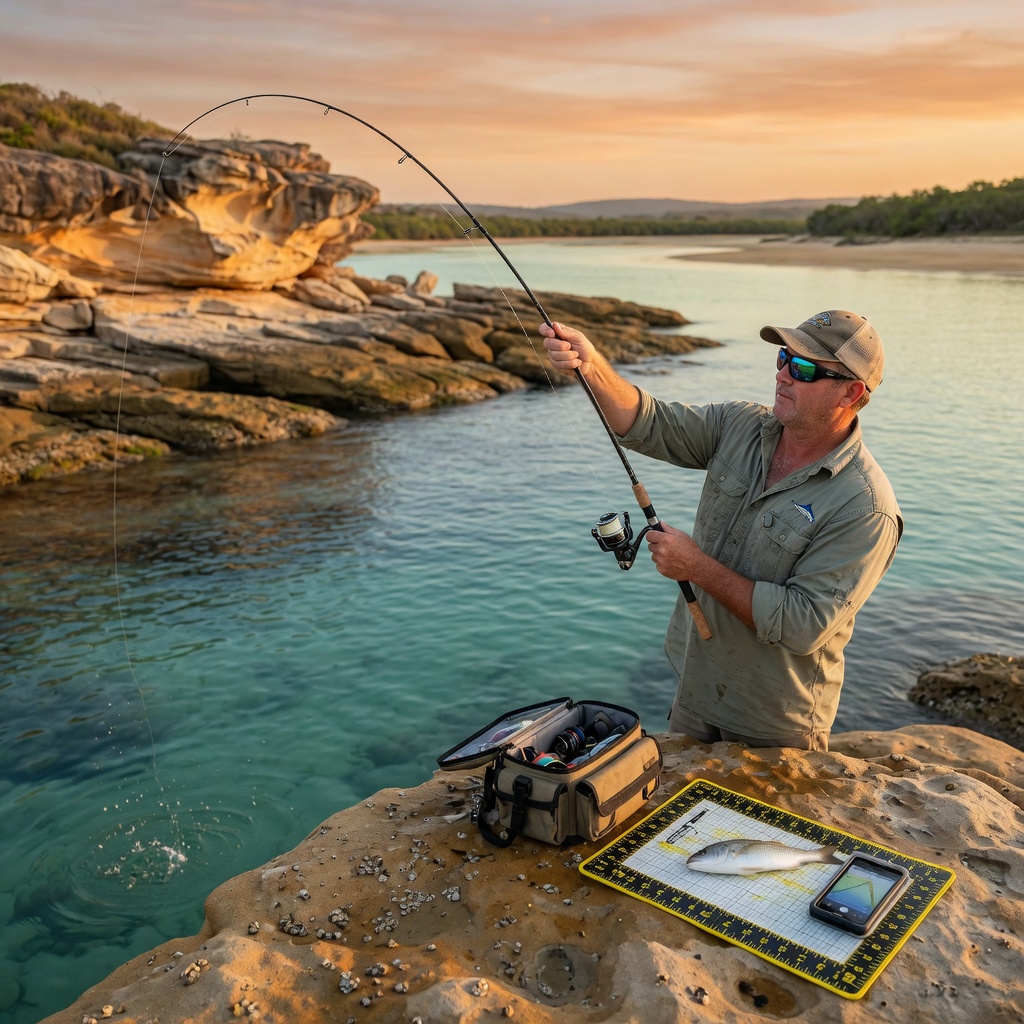
Carry a measuring device with a clear zero point and measure fish from the tip of the snout to the tail as directed for that species. Release undersized or protected fish quickly, in the water where practical, using wet hands or a knotless net. Do not fillet fish at sea where whole-fish or carcass rules apply, and keep species separated so a possession limit can be verified. If you fish from a boat with several people, understand whether a boat limit caps the total catch regardless of how many anglers are aboard.
Get in Touch
Questions about a recent change, a zoning boundary or a permit category? Contact Fishing Licence Australia by phone on +61250701250 or by email at [email protected] during Mon–Fri: 09:00 – 17:00 (AEST). We provide general guidance and point you to the relevant official fisheries publication, so you can confirm the current rule for your trip with confidence.
Navigation
See also
FAQ