Interstate Fishing Rules for Travelling Anglers
Why Fishing Rules Change at Every Border
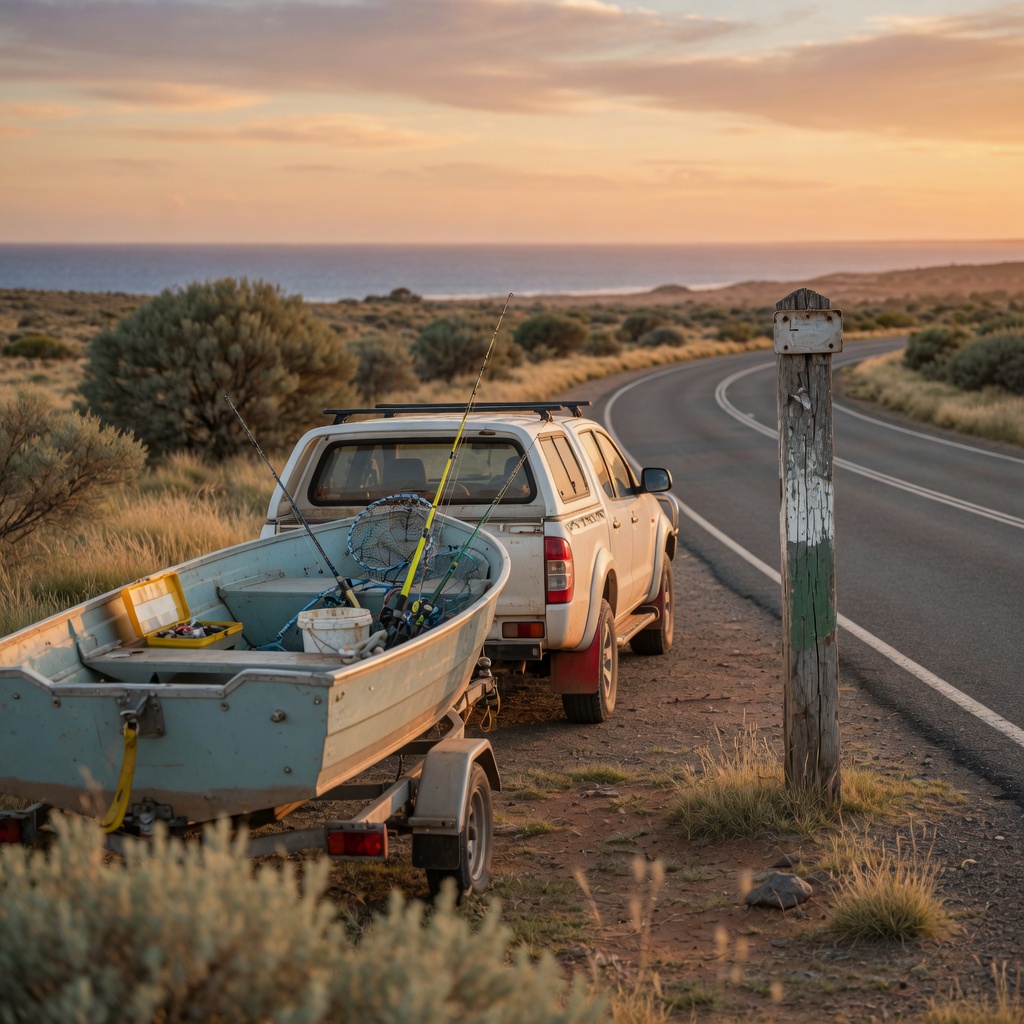
Australia has no single national recreational fishing licence. Each state and territory manages its own fisheries, which means the licence you hold, the bag limits you follow and even the legal length of a bream can change the moment you cross a border. For anglers based in Sydney who tow a boat north to Queensland or south to Victoria for a long weekend, this is the single most common source of accidental non-compliance. Fisheries officers apply the rules of the state where you are fishing, not the state where you live or where your gear was purchased.
Understanding the pattern helps. Every jurisdiction regulates roughly the same things: who needs a licence or permit, how many fish you may keep per day, minimum and sometimes maximum legal sizes, which species are fully protected, what gear you may use, and where fishing is closed or restricted. The details, however, differ significantly, and they are reviewed periodically by each state fisheries agency.
Licence and Permit Requirements Across Jurisdictions
Some states require a general recreational fishing fee or licence for both fresh and saltwater. Others require a licence only for freshwater fishing, or only for particular activities such as netting, trapping or spearfishing. A handful of jurisdictions apply no general saltwater licence at all but still require specific permits for rock lobster, abalone or inland waters.
- Check before you travel, not on arrival. Licences are usually available online and take effect from the date you choose, so buy the short-term option that matches your trip length.
- Carry proof. Keep a digital or printed copy of the licence with you while fishing, along with photo identification.
- Concessions are not portable. A pensioner or youth exemption in one state does not automatically apply in another.
- Charter and guided trips may cover you under the operator's authorisation in some states, but never assume this without asking.
Bag Limits, Possession Limits and Size Limits
A daily bag limit is what you may take in one day. A possession or boat limit is what you may have in your fridge, esky or vehicle at any time, including fish caught on earlier days. When travelling, the possession limit is usually the rule that catches people out, because a week of successful fishing can accumulate far more fillets than the law allows in transit.
- Record your catch daily so you can demonstrate what was taken and when.
- Keep fish whole or in a form that allows species and length to be identified, unless the local rules specifically permit filleting.
- Label frozen bags with species and date if you are carrying catch across a border.
- Return undersized and oversized fish to the water immediately with minimal handling.
Legal size limits differ between states for the same species. A flathead, snapper or Murray cod may be legal in one jurisdiction and undersized in the next. Measure every fish with a proper ruler or brag mat rather than estimating, and learn whether the state measures to the fork of the tail or the tip.
Closures, Marine Parks and Protected Species
Seasonal closures protect spawning fish and vary by species and location. Freshwater species in particular are often subject to closed seasons in spring, while some estuary and reef species have short annual closures. Marine parks and aquatic reserves add another layer: zones may be open to line fishing, restricted to certain methods, or fully no-take sanctuary zones. Boundaries are legally defined and are not always marked on the water, so download the relevant zoning maps before you launch.
Protected species lists also differ. Grey nurse shark, black cod, some grouper, seahorses, giant clams and many freshwater natives are protected in one or more jurisdictions and must be released unharmed if hooked. In several states, taking or possessing a protected species carries penalties regardless of intent.
Gear, Boats and Transport Between States
Gear rules travel with the water, not with the angler. Rod limits, hook types, cast net dimensions, crab pot numbers and float marking requirements are all state-specific. Some jurisdictions ban set lines, others restrict berley or the use of live bait. Bait itself may be regulated: moving live bait, yabbies or unprocessed fish between catchments is prohibited in some areas to limit the spread of pests and disease.
- Clean, drain and dry boats, trailers, waders and nets between waterways to avoid transporting weeds, algae and pathogens.
- Check whether your boat registration and safety equipment satisfy the destination state's requirements.
- Confirm that pots and traps carry the identification tags required locally, showing your name and licence details as prescribed.
A Practical Pre-Trip Checklist
- Identify every state or territory you will fish in, including brief stopovers.
- Buy the correct licence or permit for each, matched to your dates.
- Print or save the current bag and size limit summary for your target species.
- Download marine park and closure maps for the areas you plan to fish.
- Note the closest fisheries contact number in case you need to report an issue or query a rule.
- Plan how you will store, label and transport catch on the return journey.
Rules are updated regularly, so always verify current requirements with the official fisheries agency for the state you are visiting before you cast a line. Fishing Licence Australia explains how the systems compare and what to look for, but the relevant state authority remains the definitive source.
Questions About a Trip You Are Planning?
If you are unsure which licence category applies to a multi-state road trip, or how possession limits work when you are carrying catch home to Sydney, contact Fishing Licence Australia on +61250701250 or at [email protected]. Our information line operates Mon–Fri: 09:00 – 17:00 (AEST) and we can point you to the correct official resource for each jurisdiction on your route.
Navigation
See also
FAQ