Great Barrier Reef Marine Park Zoning and Fishing Rules Explained
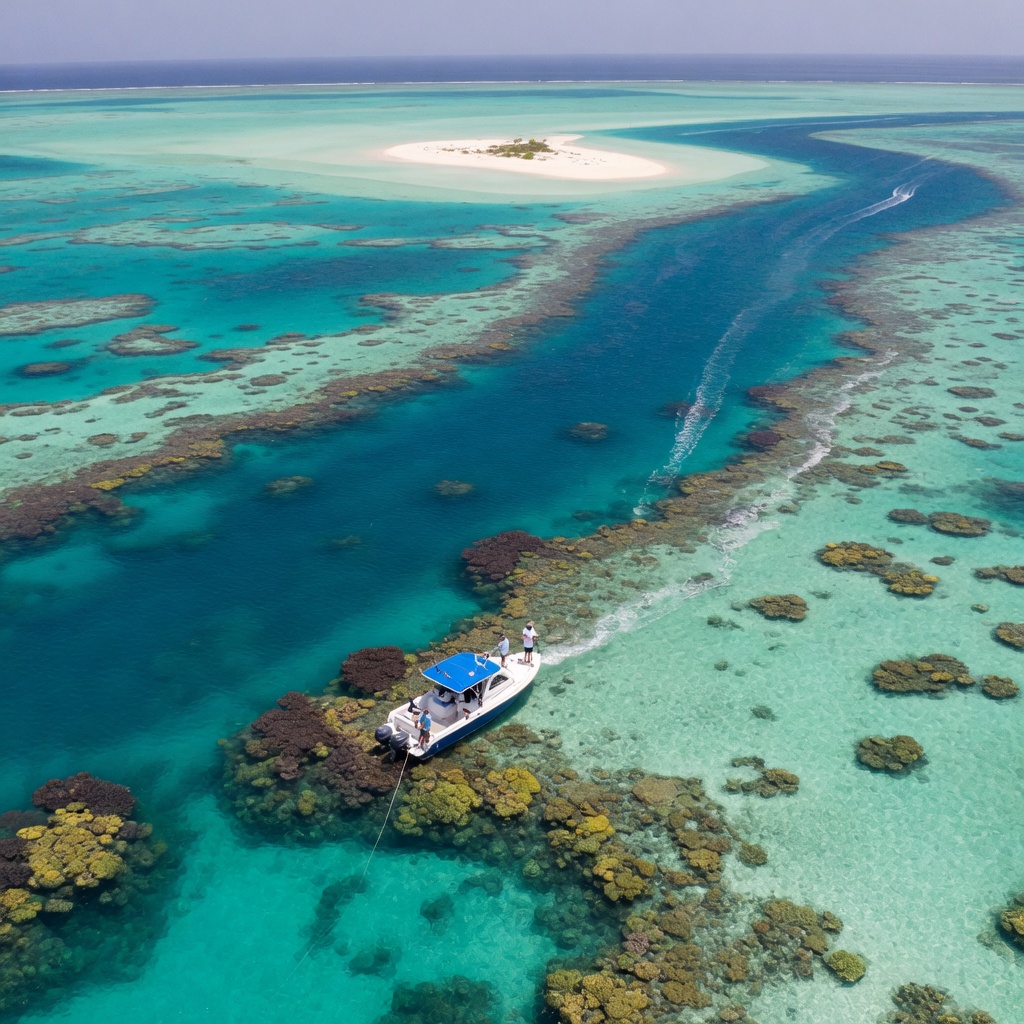
Why the Reef Is Managed by Colour-Coded Zones
The Great Barrier Reef Marine Park stretches for roughly 2,300 kilometres along the Queensland coast and is managed as a multiple-use park. Rather than banning fishing outright or leaving it unregulated, managers divide the park into zones, each shown as a colour on official zoning maps. The colour of the water you are floating over determines whether you may fish, what gear you may use, and whether you may collect anything at all. Recreational anglers travelling north from Sydney are often surprised that a single day trip can cross three or four different zones, so understanding the system before you leave the ramp is essential.
The Main Zones and What They Mean for Anglers
- General Use (light blue): the most permissive zone. Recreational line fishing, trolling, bait netting and crabbing are generally allowed, subject to Queensland fisheries rules.
- Habitat Protection (dark blue): similar to General Use for line fishing, but trawling is excluded to protect seabed habitat.
- Conservation Park (yellow): limited fishing, typically restricted to a small number of lines and hooks per person, plus limited crabbing and bait collection.
- Buffer (olive green): trolling for pelagic species such as mackerel and tuna is generally the only fishing permitted; bottom fishing is not.
- Marine National Park (green): no fishing and no collecting. These are look-and-enjoy areas, and enforcement is active.
- Preservation (pink): the strictest zone, with entry itself restricted except for permitted research.
Rules That Apply Even in Open Zones
Zoning sits on top of, not instead of, normal fisheries law. That means legal size limits, bag and possession limits, protected species rules and gear restrictions still apply everywhere in the park. Coral trout, red emperor, barramundi and several other species carry seasonal closures, and no-take species such as potato cod, Queensland groper, humphead Maori wrasse and all giant clams must be released or left alone. Spearfishing is prohibited in some zones and around certain reefs, and taking coral, shells or aquarium fish requires a permit. For a broader refresher on limits and closures across the country, see our overview of Australian fishing rules and regulations.
Special Management Areas
Some reefs and shoals carry additional overlays, including no-anchoring areas, seasonal closures around fish spawning aggregations, and restricted-access areas near research sites or shipping channels. These overlays are marked separately on zoning maps and can change, so a map printed several seasons ago should not be trusted.
How to Check Your Position Before You Drop a Line
- Download the current zoning maps for the section of the park you plan to fish, and carry them aboard.
- Note the coordinates of zone boundaries; many run along straight lines between GPS points rather than following visible reef edges.
- Use a chartplotter or a mapping app with zoning overlays, and confirm your position each time you move.
- Check for seasonal closures and coral reef fin fish closed periods before the trip.
- When in doubt, treat the water as a green zone and move on. Penalties for fishing in a no-take zone are significant.
State Waters, Commonwealth Waters and Licences
The Reef involves two layers of government. Commonwealth zoning applies in the Marine Park, while Queensland manages an adjoining state marine park and the fisheries rules for species and gear. Queensland does not require a general recreational saltwater licence for most line fishing, though permits apply to stocked impoundments and some activities. Anglers from other states should not assume their home licence covers them, and should confirm the current requirements for the waters they intend to fish.
Practical Tips for a Compliant Reef Trip
Carry a measuring device and check every fish before it goes in the esky. Keep only what you will use, bleed and ice fish promptly, and release undersized or protected fish with wet hands and minimal handling. Use a release weight when fishing deeper reef edges so barotrauma-affected fish can return to depth. Log your zone positions if you fish widely, so you can answer questions confidently during an inspection.
Fishing Licence Australia publishes plain-English summaries only. Zoning boundaries, closures and limits are set by the relevant authorities and change over time, so always confirm details with the official Marine Park and Queensland fisheries sources before you fish. Questions about this guide can be sent to [email protected] or +61250701250 during Mon–Fri: 09:00 – 17:00 (AEST).
Navigation
See also
FAQ