Freshwater Fishing Regulations by State
Why Freshwater Rules Differ Across Australia
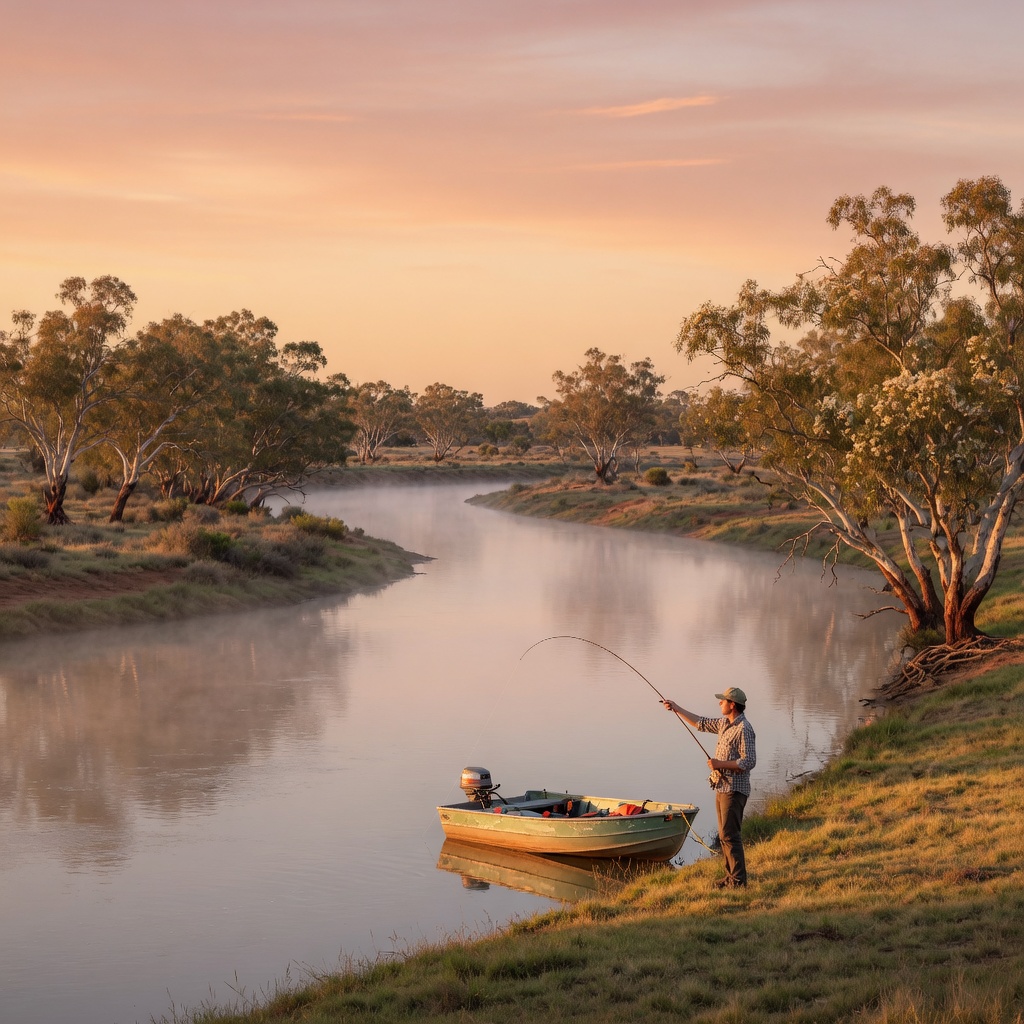
Australia has no single national freshwater fishing law. Each state and territory manages its own rivers, lakes, impoundments and stocked dams, which means the licence you need, the bag limits you must follow and the closed seasons that apply can change the moment you cross a border. A fishing trip that starts on the Murray in New South Wales and finishes on the Victorian bank is governed by two different rule sets, and in some shared-water arrangements a licence from one jurisdiction is recognised on the other side. Understanding these differences before you cast is the simplest way to avoid an unintentional breach.
Fishing Licence Australia explains the general framework so you can plan with confidence, then points you to the official fisheries agency for the water you intend to fish. Because rules are reviewed regularly, always confirm the current limits with the relevant department before you travel.
Licence Requirements: The Broad Picture
Most states require a recreational fishing licence or fee for freshwater angling, though the structure varies:
- New South Wales requires a recreational fishing fee for all fresh and saltwater fishing, including spearfishing and prawn netting, with concessions and exemptions for certain groups.
- Victoria uses a Recreational Fishing Licence covering both fresh and marine waters, with short-term and longer-term options.
- Tasmania requires a separate inland angling licence for trout and other freshwater species, and additional endorsements apply on some waters.
- Western Australia requires a Recreational Fishing from Boat Licence for certain activities and a specific freshwater angling licence in the south-west.
- South Australia, Queensland and the Northern Territory do not charge a general recreational licence fee for most freshwater fishing, but permits apply in specific stocked impoundments or restricted waters.
- Australian Capital Territory requires a licence for angling in ACT waters, with reciprocal recognition arrangements in some cases.
If you are unsure which category applies to you, our overview of fishing licences by state and territory sets out the jurisdictions side by side.
Bag Limits, Possession Limits and Legal Sizes
Freshwater bag limits protect slow-growing native species such as Murray cod, golden perch and Australian bass. Limits are usually expressed as a daily bag (what you may take in one day) and a possession limit (what you may have in total, including fish at home or in a camp fridge). Legal size limits often include both a minimum and a maximum length, so oversized breeding fish must be released. Trout waters may also carry a bait ban, an artificial-lure-only rule or a catch-and-release designation on particular reaches.
Practical tips: carry a rigid measuring device rather than estimating, measure from the snout to the tip of the tail unless the local rule states otherwise, and return undersized or oversized fish to the water quickly with wet hands or a knotless net.
Closed Seasons and Protected Waters
Seasonal closures are common in freshwater. Murray cod closures typically protect the species during spring spawning across the Murray-Darling system, while trout closures in the cooler states protect autumn and winter spawning runs. Some rivers are permanently closed to fishing, and fish ladders, weirs, dam walls and hatchery outlets usually have exclusion zones. Threatened species such as trout cod, Macquarie perch in some catchments and certain galaxias must be released immediately if caught.
Gear, Bait and Biosecurity Rules
- Rod and line limits per angler apply in most states, and attended-line rules mean you must stay within a set distance of your gear.
- Nets, traps and set lines are heavily restricted or banned in freshwater; check before using yabby traps, as opera-house style traps are prohibited in several jurisdictions to protect platypus and turtles.
- Live finfish bait is generally illegal in freshwater, and moving live fish or water between catchments spreads disease and pest species.
- Clean, drain and dry boats, waders and nets between waterways to limit the spread of pests and pathogens.
Planning a Trip from Sydney
Anglers based in Sydney are within reach of the Hawkesbury-Nepean, the Blue Mountains streams, the Snowy Mountains lakes and, further west, the Macquarie and Lachlan systems. Trips that cross into the ACT or Victoria need a second look at licensing and closed seasons. Build a short pre-trip checklist: confirm the licence, note the bag and size limits for your target species, check for closures, and identify any water storage where a separate access permit is required.
Where to Confirm the Current Rules
Official state and territory fisheries departments publish free recreational fishing guides, often as downloadable summaries and mobile apps with offline size and bag limit lookups. These are the authoritative sources, and they are updated when regulations change. Use Fishing Licence Australia to orient yourself, then verify the specific water with the responsible agency.
Questions about navigating the guide? Contact us at [email protected] or +61250701250 during Mon–Fri: 09:00 – 17:00 (AEST). We provide general information only and do not issue licences or enforce regulations.
Navigation
See also
FAQ