Fishing Without a Licence: Fines and Penalties by State
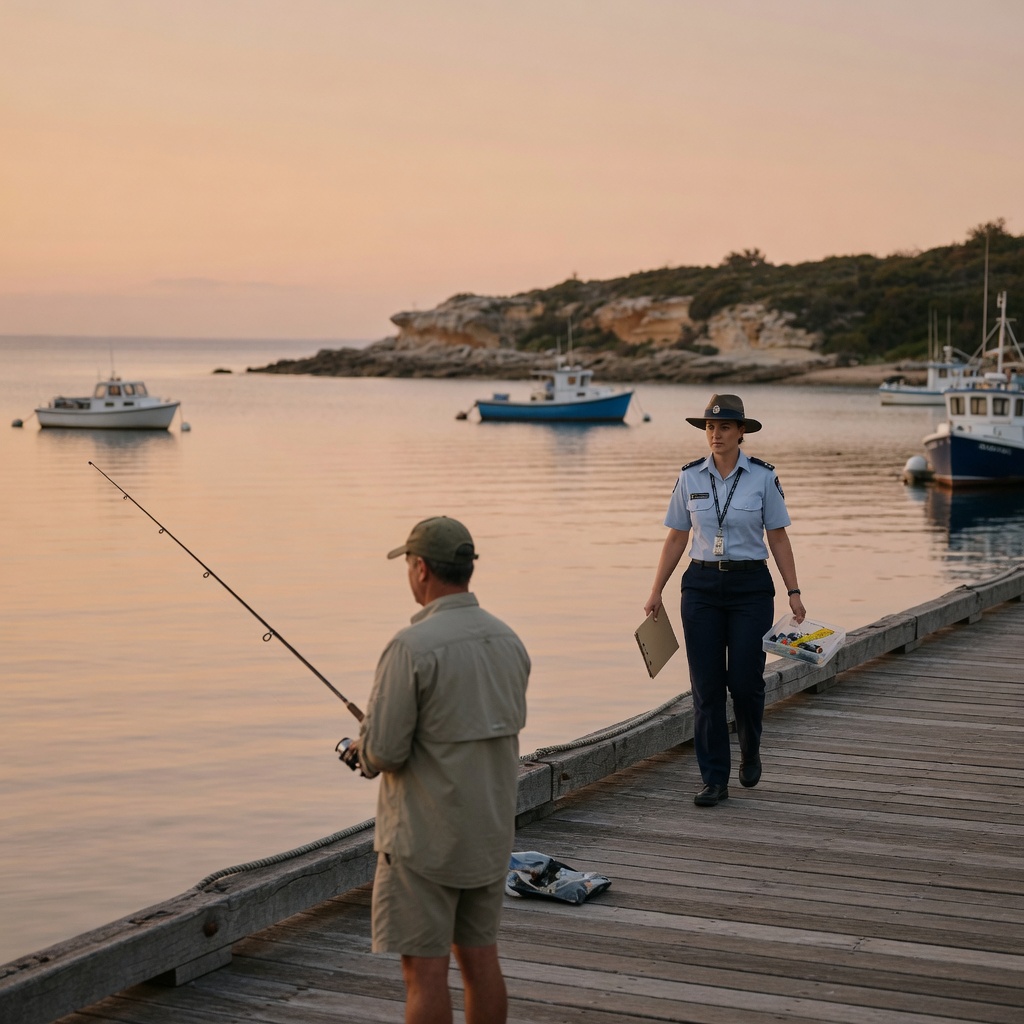
Why Licence Rules Are Enforced So Firmly
Recreational fishing in Australia is managed by each state and territory rather than by a single national authority. That means the requirement to hold a licence, the way fisheries officers check compliance, and the size of penalties all change the moment you cross a border. Licence revenue is generally directed back into fish stocking, habitat repair, boat ramps and compliance patrols, so agencies treat unlicensed fishing as a direct loss to the resource rather than a minor paperwork slip.
For anglers based in Sydney, the most common mistake is assuming a licence bought years ago is still valid, or that a short session from a wharf somehow does not count. In New South Wales the recreational fishing fee applies to saltwater and freshwater fishing, including line fishing, spearfishing, hand gathering and setting traps, unless you fall into a specific exemption category.
How Penalties Are Structured
Across Australia, penalties for fishing without a licence usually fall into three tiers:
- On-the-spot infringement notices issued by fisheries officers for straightforward offences such as failing to produce a current licence or receipt.
- Court-imposed fines for repeat or aggravated matters, which can be many times the value of an infringement notice.
- Additional consequences including forfeiture of gear, confiscation of catch, seizure of vessels in serious cases, and licence suspension.
Importantly, unlicensed fishing is rarely charged alone. Officers who stop an angler without a licence will also check bag limits, legal lengths, closed waters and prohibited gear, so a single stop can produce several separate penalties. Because penalty amounts are set by regulation and reviewed regularly, always confirm current figures with the relevant fisheries agency before relying on any number you read online.
State-by-State Snapshot
New South Wales
A NSW Recreational Fishing Fee receipt must be carried, in printed or digital form, whenever you fish or possess fishing gear near water. Infringement notices are common along the Sydney coastline, harbour foreshores and popular freshwater impoundments. Exemptions apply to certain pensioners, Aboriginal people fishing for traditional purposes, and children under 18.
Victoria
Victoria requires a Recreational Fishing Licence for most inland and marine fishing, with exemptions for under-18s, seniors card holders and some concession recipients. Fines are issued as infringements, with higher amounts if the matter proceeds to court.
Queensland
Queensland has no general recreational fishing licence for most tidal and non-tidal fishing, but permits are required for stocked impoundments and certain areas. Penalties instead focus heavily on size limits, bag limits and closed waters, including Great Barrier Reef zoning offences.
South Australia, Western Australia, Tasmania
South Australia does not require a general licence for line fishing but regulates specific activities and gear. Western Australia uses activity-specific licences for rock lobster, abalone, marron, netting and freshwater angling in the south-west. Tasmania requires an inland angling licence and separate licences for certain sea fishing gear such as rock lobster pots and nets.
Northern Territory and ACT
The Northern Territory generally has no recreational fishing licence but strict rules on species, gear and restricted areas. The ACT requires a licence for most freshwater fishing, with exemptions for young anglers and concession holders.
What Happens During an Inspection
Fisheries officers have broad powers to stop, question and search anglers, vehicles, boats and eskies. A typical inspection involves producing your licence or receipt, opening bags and coolers, and measuring retained fish. Cooperating, keeping your catch accessible and knowing your species reduces friction considerably. Claiming ignorance of the rules is not a defence, and officers can issue notices even where no fish have been caught, since possession of gear with intent to fish is enough in several jurisdictions.
How to Stay Compliant
- Buy or renew your licence before you travel, and save a digital copy plus a printed backup.
- Check the expiry date, since three-day and one-month options lapse quickly.
- Confirm whether your destination sits inside a marine park sanctuary zone or a seasonal closure.
- Carry a measuring device and check bag limits for each species you target.
- Recheck rules for every state you fish in, even on a single road trip.
Our overview of fishing licences by state and territory sets out who needs a licence, available durations and exemption categories, which is the fastest way to avoid an avoidable fine.
If You Receive a Penalty Notice
Read the notice carefully: it will state the alleged offence, the amount payable, the due date and your review options. Most jurisdictions allow you to request an internal review, provide additional information such as proof you held a valid licence at the time, or elect to have the matter heard in court. Electing court means the penalty may be higher if the matter is proven, so weigh that choice carefully. Keep receipts and app screenshots, as these are often the simplest evidence that a licence was in force.
Getting Reliable Information
Regulations change with stock assessments and seasonal closures, so treat this guide as orientation rather than the final word. Fishing Licence Australia summarises rules in plain English and points to the official fisheries agency for each jurisdiction, where current fees, penalty amounts and closure notices are published. If you need help interpreting a rule before your next trip, contact us at [email protected] or +61250701250 during Mon–Fri: 09:00 – 17:00 (AEST), and we will direct you to the correct official source for Sydney and beyond.

Navigation
See also
FAQ