Fishing Rules for Tourists and International Visitors to Australia
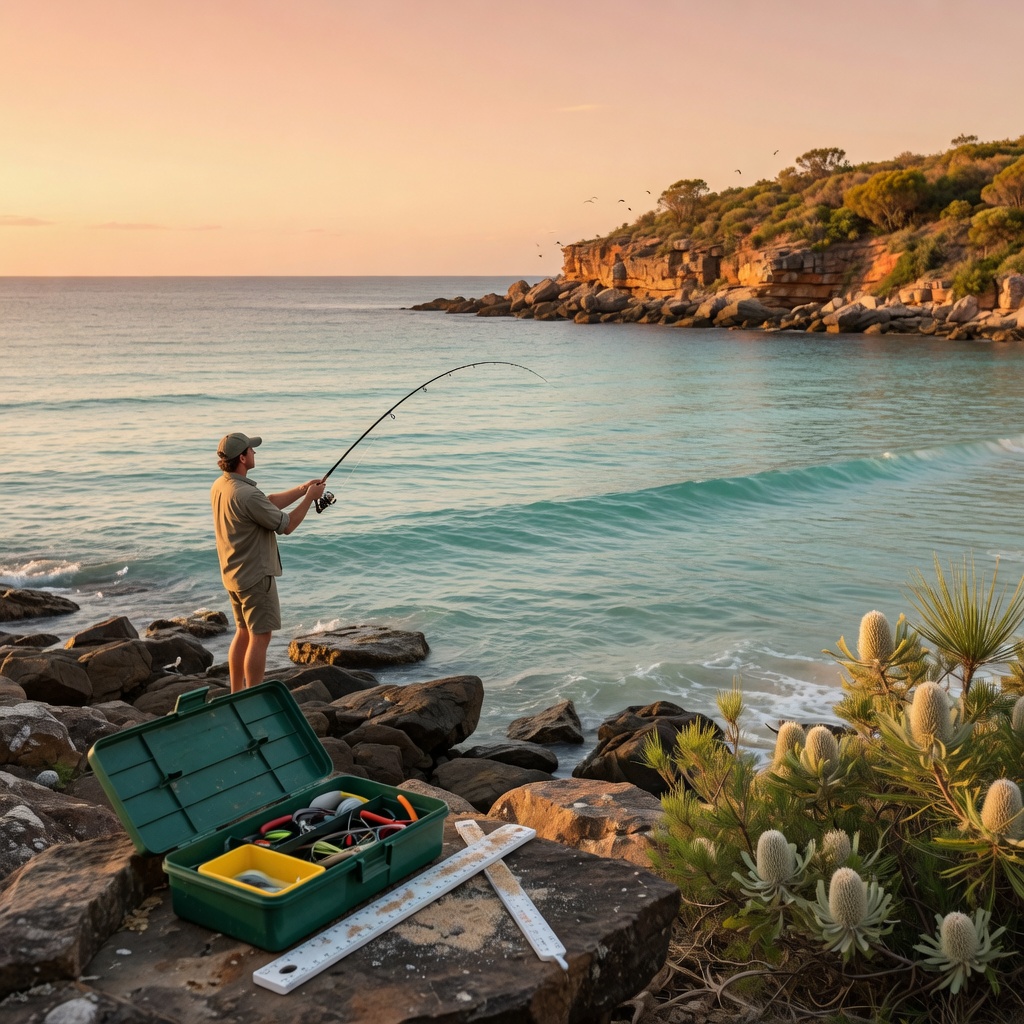
Australia Has No Single National Fishing Licence
The most common misunderstanding among international visitors is that one permit covers the whole country. It does not. Recreational fishing in Australia is managed state by state and territory by territory, so the rules that apply to you depend entirely on where you drop your line. A traveller flying into Sydney and fishing in New South Wales waters faces different licensing arrangements to someone fishing in Queensland, Victoria, Tasmania, South Australia, Western Australia, the Northern Territory or the ACT.
Visitor status makes no difference to your obligations. Tourists, backpackers, working-holiday travellers and short-stay business visitors are all treated as recreational fishers and must comply with the same licensing requirements, bag limits, size limits and closures as residents. Being unfamiliar with local law is not accepted as a defence by fisheries officers.
Do You Need a Licence as a Visitor?
Some jurisdictions require a general recreational fishing fee or licence for both saltwater and freshwater fishing, others require one only for freshwater or for specific species and gear types, and a few require none for basic line fishing but still apply strict rules. Where a licence or fee applies, short-term options are usually available, which suits travellers on a limited itinerary.
- Check the responsible state or territory fisheries authority for the exact waters you plan to fish.
- Buy any required licence before you start fishing, not after you are approached by an inspector.
- Carry proof of your licence, digitally or on paper, along with photo identification.
- Confirm whether your licence covers freshwater, saltwater or both.
- Ask whether concessions or exemptions apply to children, seniors or Indigenous fishers.
Our overview of Australian fishing rules and regulations explains how these frameworks differ and what documents you should keep with you on the water.
Bag Limits, Possession Limits and Legal Sizes
Every state publishes species-specific limits. A bag limit is how many fish of a species you may take in a day; a possession limit is how many you may have in total, including fish in an esky, a hire car fridge or a campsite freezer. Minimum legal lengths, and sometimes maximum lengths, protect breeding stock. Undersized or oversized fish must be returned to the water immediately with the least possible harm.
Travellers should also note that fillets can be difficult to measure, so many jurisdictions require fish to be kept whole or in a form where length can be verified until you reach your accommodation. If you are moving between states with a catch, the rules of the state you are in generally apply to the fish in your possession.
Marine Parks, Sanctuary Zones and Closures
Australia has extensive marine parks and aquatic reserves, particularly along the coastline near major cities and around reef systems. Zones range from areas where normal fishing is permitted to sanctuary or green zones where all fishing and collecting is prohibited. Boundaries are often marked only on charts and official zoning maps, not with visible signage offshore, so checking before you launch is essential.
Seasonal closures also apply to protect spawning aggregations of species such as barramundi, Murray cod, trout and certain reef fish. Some closures shut a whole waterway; others close a single species while other fishing continues.
Protected Species and Prohibited Methods
Protected and threatened species must never be targeted or retained. This typically includes species such as great white sharks, grey nurse sharks, sawfish, seahorses, certain groper and cod species, marine turtles, dugongs and all marine mammals. If you hook a protected animal, release it without delay and do not lift it for photographs where local rules forbid it.
- Gear restrictions commonly limit the number of rods, hooks, lines, traps and nets you may use.
- Setting nets, traps or pots may require separate permits or be banned outright in some waters.
- Using live finfish as bait, or moving live fish and plant material between waterways, is often prohibited to prevent pest spread.
- Spearfishing rules vary widely, especially around swimming beaches and in freshwater.
Practical Advice Before You Cast
Plan the licensing step into your trip the way you would plan a hire car or accommodation. Download or bookmark the relevant fisheries rules for each state on your route, save a copy of the size and bag limit tables offline for areas with poor mobile coverage, and keep a small measuring device in your tackle bag. If you are fishing with a charter operator or guide, confirm whether their licence covers you as a passenger or whether you need your own.
Respect local access rules as well: some jetties, harbour areas, water storages and private or Aboriginal land require permission or ban fishing entirely. Follow signage, take all rubbish and discarded line with you, and handle released fish with wet hands or a knotless net.
Penalties and Getting Help
Fisheries officers have broad powers to inspect vessels, vehicles, eskies and catches. Penalties for exceeding limits, taking protected species or fishing in a sanctuary zone can include substantial fines and confiscation of gear. Enforcement applies equally to visitors, so ignorance is a costly approach.
If you are unsure which rules apply to your itinerary, contact Fishing Licence Australia on +61250701250 or at [email protected] during Mon–Fri: 09:00 – 17:00 (AEST), and we will point you to the correct official fisheries resource for each state and territory on your route. Always treat the relevant government authority as the final word before you fish.
Navigation
See also
FAQ