Fishing Licence Costs and Validity by State
Why Licence Costs and Validity Differ Around Australia
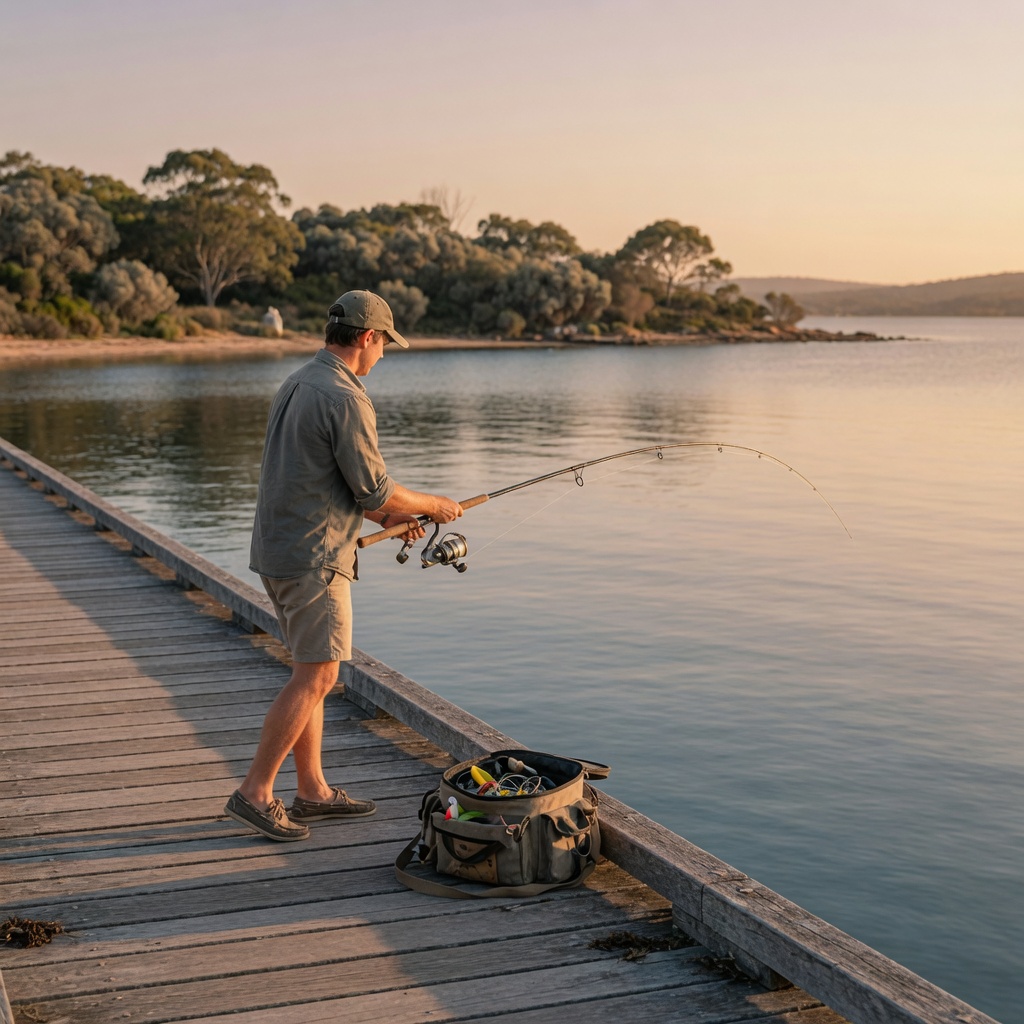
Recreational fishing in Australia is managed state by state, not nationally. That means the cost of a licence, the length of time it stays valid, and even whether a licence is needed at all depend on which jurisdiction you are fishing in. An angler based in Sydney who drives a few hours across a border may find the rules and the paperwork completely different, even when targeting the same species in similar water.
Because each state and territory sets its own fee schedule and reviews it periodically, Fishing Licence Australia does not publish dollar figures. Instead, this guide explains the structure of licensing so you know what to look for on the official fisheries website before you buy.
Common Licence Durations You Will See
Most jurisdictions that charge for recreational fishing offer a tiered set of validity periods. Typical options include:
- Short-term licences — often three days or one month, suited to holidaymakers and one-off trips.
- Annual licences — the standard choice for regular anglers, valid twelve months from purchase or activation.
- Multi-year licences — commonly three years, usually offered at a lower cost per year than buying annually.
- Concession or exemption categories — pensioners, veterans, children under a set age and some Aboriginal and Torres Strait Islander fishers may be exempt or eligible for reduced fees, depending on the state.
Validity almost always runs from the start date you nominate, not from the calendar year, so buying mid-season does not waste part of your licence.
What the Fee Actually Pays For
Licence revenue in most states is directed into recreational fishing trusts or similar funds. Typical uses include fish stocking programs, boat ramps and fishing platforms, habitat rehabilitation, fisheries research, education, and compliance patrols. Understanding this helps explain why a licence is required in fresh water in some states but not others: the management priorities and funding models differ.
Freshwater, Saltwater and Special Permits
Some states issue a single general recreational licence covering both fresh and salt water. Others licence only inland fishing, or only certain activities. On top of the base licence, additional endorsements or permits may apply to:
- Specific high-demand species or fisheries with limited access.
- Use of particular gear such as nets, traps, or set lines.
- Fishing inside marine park zones where rules are stricter than general waters.
- Trout and salmonid waters with seasonal opening and closing dates.
Always check whether a marine park zoning map applies to your destination. A valid licence does not override a sanctuary zone closure, a protected species listing, a bag limit or a legal minimum size.
Buying, Storing and Proving Your Licence
Licences are generally issued online through the relevant fisheries agency, and many can also be bought at tackle shops, post offices or service centres. Once issued you should:
- Save the digital receipt or licence number to your phone and keep a printed copy in your tackle box.
- Note the expiry date in your calendar so a lapsed licence does not catch you out mid-season.
- Carry proof of any concession you claimed, since inspectors may ask for it.
- Update your contact details if you move, so renewal reminders reach you.
Fisheries officers can request to see your licence at any time while you are fishing or in possession of gear and catch. Penalties for fishing unlicensed are set by each state and are generally far higher than the licence fee itself.
Before You Buy: A Quick Checklist
- Confirm which state or territory the water body sits in, including border rivers and estuaries.
- Check whether that jurisdiction requires a recreational licence for your planned activity.
- Choose the shortest validity period that genuinely covers your trips.
- Read the current bag and size limits, closed seasons and protected species list for the area.
- Verify fees and conditions on the official fisheries website on the day you purchase.
Rules change, and the official state fisheries agency is always the authoritative source. If you would like help interpreting a particular jurisdiction's requirements, contact Fishing Licence Australia on +61250701250 or at [email protected] during Mon–Fri: 09:00 – 17:00 (AEST).
Navigation
See also
FAQ