Fishing in National Parks, Rivers and Protected Waters
Why Protected Waters Have Extra Rules
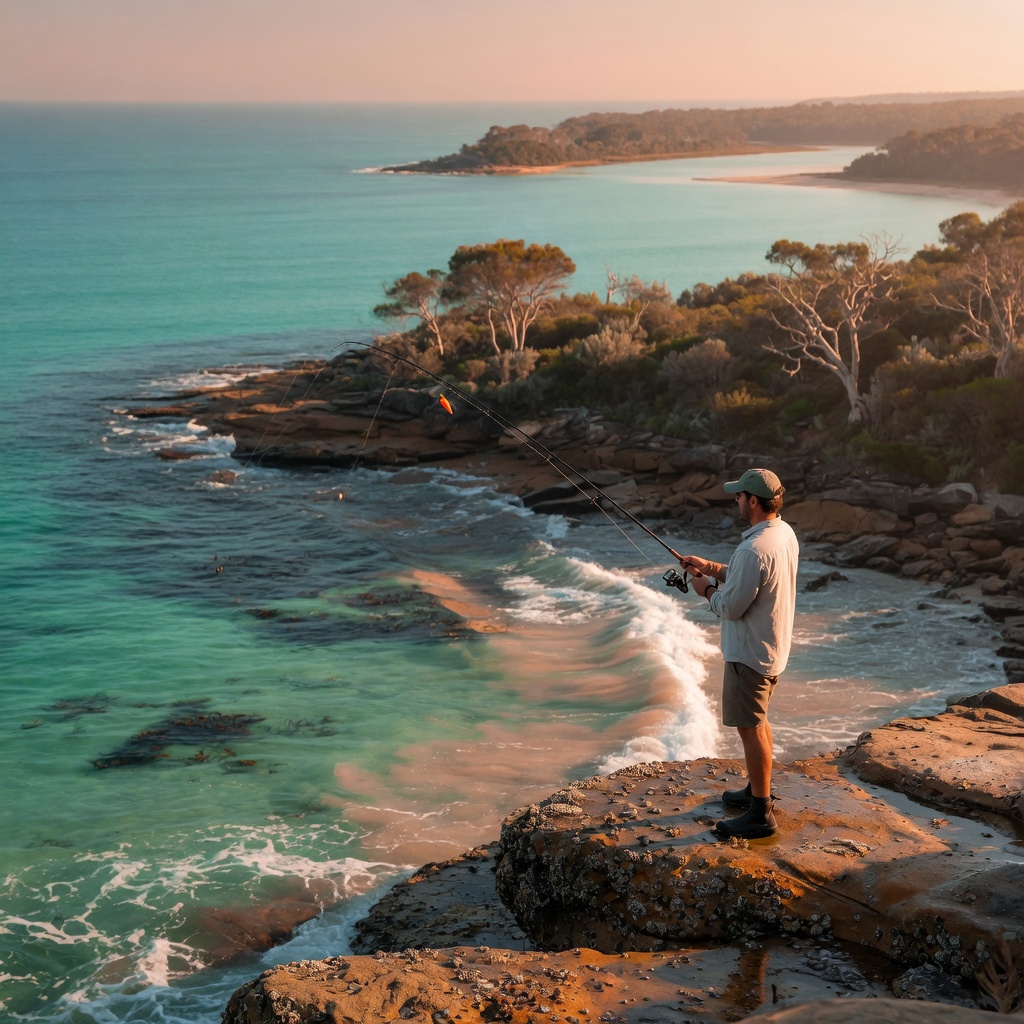
Around Sydney and across New South Wales, a valid recreational fishing fee receipt is only the first step. Many popular spots sit inside national parks, aquatic reserves, marine parks or declared recreational fishing havens, and each of these areas can add its own layer of restrictions on top of statewide bag limits and legal size limits. Two anglers standing 200 metres apart on the same headland can legally be doing very different things, simply because a zone boundary runs between them.
Fishing Licence Australia exists to help you work out which layer applies before you wet a line. The general principle is simple: the most restrictive rule wins. If a statewide rule allows a species but a local sanctuary zone prohibits all fishing, the sanctuary zone decides.
Marine Parks and Zoning Around Sydney
Marine parks and aquatic reserves are divided into zones with different purposes. Understanding the vocabulary saves a lot of trouble:
- Sanctuary zones are typically no-take. You may swim, snorkel or paddle, but you may not fish, spear or collect bait, shellfish or beachworms.
- Habitat protection zones often allow line fishing while banning methods that damage the seabed, such as certain nets or traps.
- General use zones usually permit most recreational fishing that is legal elsewhere in the state.
- Special purpose zones cover specific activities, moorings or research areas and can be highly localised.
Zone boundaries are usually described by coordinates and landmarks rather than visible markers, so a signposted beach entrance is not proof that fishing is allowed on the rocks below it.
National Parks, Reserves and Access
Fishing inside a national park or nature reserve is often permitted, but access conditions still apply. Common conditions include vehicle access limits, park entry requirements at certain sites, restrictions on lighting fires or camping outside designated areas, and prohibitions on collecting bait, firewood or shellfish. Some estuaries and lagoons within reserves are closed seasonally to protect spawning fish or nesting shorebirds.
Treat every park visit as two questions: may I fish here, and may I be here in this way? A permitted species caught from a prohibited location is still an offence.
Freshwater Rivers, Dams and Closed Seasons
Inland waters have their own framework. Trout streams commonly observe a closed season to protect spawning fish, while native species such as Murray cod are protected during their own closure period. Many dams and impoundments have specific rules on the number of rods, the use of live bait, and whether set lines or traps may be used at all.
Practical steps for freshwater trips:
- Confirm the water body by its official name, not a local nickname, before checking rules.
- Check current closures for the calendar dates of your trip, including opening weekends.
- Note bag and size limits for each species you might realistically catch.
- Clean and dry gear between catchments to avoid spreading pests and disease.
- Never move live fish or use them as bait in another waterway.
Protected Species You Must Release
Some species are fully protected wherever you fish, including certain sharks, seahorses, giant Queensland groper, black cod and several freshwater natives. Others are protected only in particular waters. If you cannot confidently identify a fish, the safest action is to release it quickly in the water, with wet hands and minimal handling. Photograph it for later identification rather than keeping it to check at home.
How to Check Before You Go
Rules change with seasons, stock assessments and new zoning plans, so verify close to your departure date rather than relying on memory or old advice. Look for the official fisheries and park agency publications for the water you intend to fish, note the zone name and boundary description, and save it offline in case mobile coverage fails at the site.
Keep a short pre-trip checklist: fishing fee receipt current, zone confirmed, closures checked, bag and size limits noted, measuring device and appropriate release tools packed.
Questions About a Specific Spot
If you are unsure whether a particular headland, creek mouth or dam sits inside a protected area, ask before you cast. Contact Fishing Licence Australia on +61250701250 or [email protected] during Mon–Fri: 09:00 – 17:00 (AEST) and we will point you to the official source for that location in Sydney or elsewhere in the state. We provide guidance and plain-language explanations only; the relevant government agency remains the final authority on all boundaries, closures and limits.
Navigation
See also
FAQ