Barramundi Seasonal Closures in Queensland and the Northern Territory
Why barramundi have a closed season
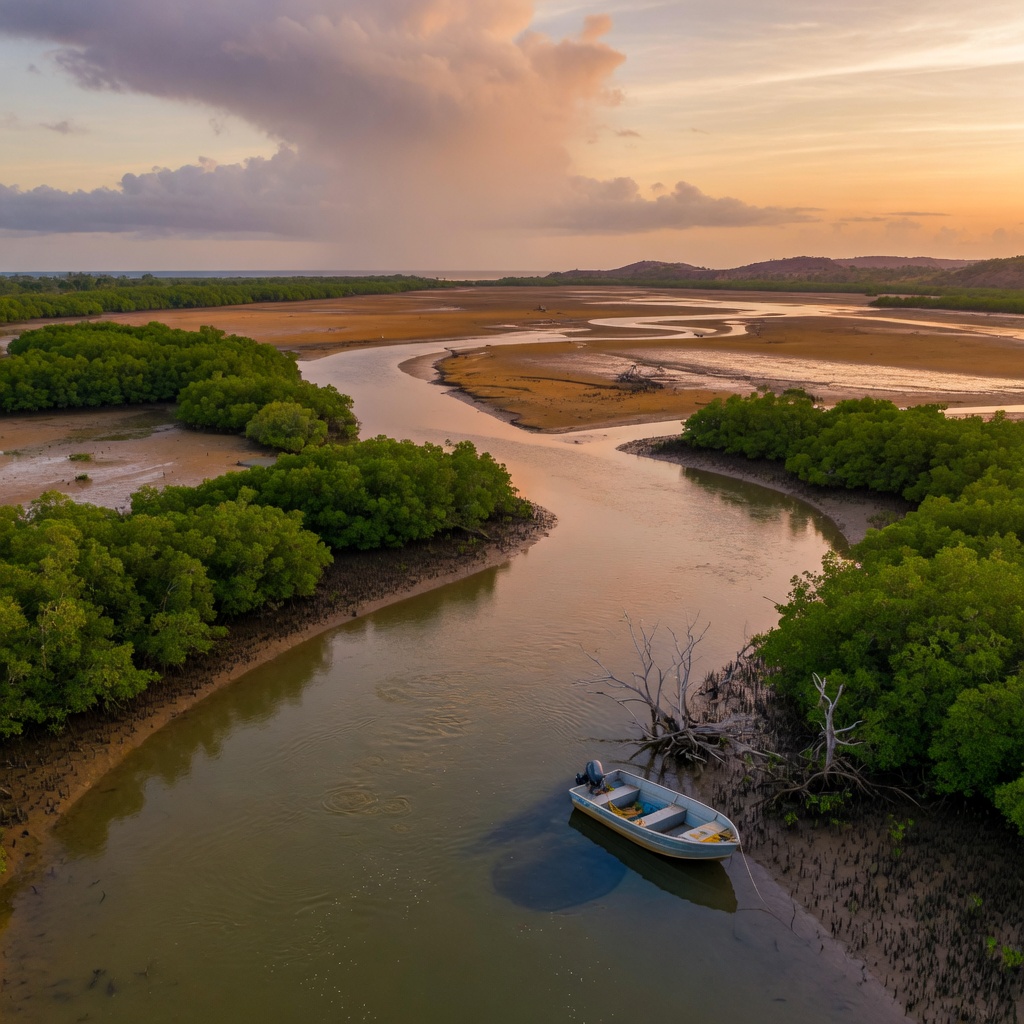
Barramundi are protandrous hermaphrodites: most fish begin life as males and change to female as they grow larger. That biology makes big fish disproportionately important for spawning, and it is the main reason northern fisheries managers combine seasonal closures, minimum and maximum legal lengths and possession limits rather than relying on a single rule. Spawning generally happens in the build-up and wet season, when fish gather around river mouths, tidal creeks and coastal flats. Closing the fishery over that window protects aggregating fish at their most vulnerable, and protects the juveniles that later recruit back into the estuaries.
For anglers planning a trip north from Sydney, the practical point is simple: the dates that apply to you depend on which state or territory you are fishing in, and often on which water body within it. A boat ramp on the Queensland east coast, a Gulf of Carpentaria river and a Northern Territory tidal system can all sit under different rules in the same week.
Queensland: east coast and Gulf of Carpentaria
Queensland manages barramundi through two separate closure regimes. Traditionally, the east coast closed season runs across the summer spawning period from about midday on 1 November to midday on 1 February, while the Gulf of Carpentaria closure starts earlier in October and also finishes at the beginning of February. Because the Gulf closure begins several weeks before the east coast one, October is the month when anglers most often get caught out.
Alongside the closed season, Queensland applies a minimum legal size and a maximum legal size for barramundi, plus a possession limit per person. The maximum size exists specifically to release the large breeding females. Some impoundments stocked under stocked impoundment permit schemes are managed differently again, and freshwater dams may not follow tidal-water closure dates at all. Always confirm the current dates and measurements with Queensland fisheries before you travel, because closures are periodically reviewed.
Practical points for Queensland trips
- Check whether your target water is classed as east coast or Gulf waters before booking.
- Measure fish from the tip of the snout to the tip of the tail unless told otherwise, and measure quickly on a wet mat.
- During a closure you must not take or possess barramundi from the closed waters, and there are also rules about transporting and storing fish.
- Stocked dam fishing may require a separate permit in addition to any general rules.
Northern Territory: area-based closures instead of one blanket season
The Northern Territory takes a different approach. Rather than a single territory-wide barramundi closed season, the NT uses size limits, possession limits and area or river-specific closures, including closed reaches, closed river mouths and special management arrangements on well-known systems such as the Daly River. Some closures are permanent, some apply seasonally, and some cover only barramundi while other species remain open.
NT rules also include a minimum length, a maximum length above which fish must be released (with limited allowances), and a daily possession limit. Boat limits and rules on filleting fish at sea or in camp may apply, so keep carcasses or frames intact where required so that officers can verify length.
Reading closure notices correctly
Closure notices usually specify four things: the species, the waters, the dates and times, and the activity prohibited. Misreading any one of them is enough to make an honest angler non-compliant. A few habits help:
- Note that closures often start and end at midday, not midnight.
- Identify the boundary of the closed water on a map, not by local nickname, and note where tidal water becomes fresh water.
- Check whether the closure prohibits only taking fish, or also possessing, transporting or fishing with certain gear.
- Re-check the rules in the week you travel; dates can shift after review.
- Record where and when you caught each fish, which helps if you are inspected on the road home.
Catch and release during closures
In many closed waters you may still be able to fish for other species, but incidental barramundi hookups happen. Handle them for release: use a knotless landing net or lip grips, keep the fish horizontal and supported, minimise air exposure, avoid dropping fish on hot aluminium or dry sand, and release into flowing water facing upstream. Single hooks and heavier leaders reduce fight times. Where crocodile risk exists, prioritise personal safety over photographs and never lean over the water at the same spot repeatedly.
Related rules worth checking before you go
Barramundi closures rarely operate alone. Marine park zoning, no-take green zones, protected species rules and other species-specific spawning bans may all apply to the same trip. Our overview of seasonal closures, spawning bans and protected species explains how these layers fit together across Australia, including how state licensing and permit requirements differ between jurisdictions.
Getting current, official information
Treat this article as background reading and always confirm the detail with the responsible agency: Queensland's fisheries department for Queensland waters, and the Northern Territory's fisheries division for NT waters. Official sources publish the exact closure dates, boundary descriptions, legal lengths and possession limits, and they are the only versions that count if you are inspected.
If you are unsure how a closure applies to the trip you are planning, contact Fishing Licence Australia on +61250701250 or at [email protected] during Mon–Fri: 09:00 – 17:00 (AEST) and we will point you to the relevant official rule set for the water you intend to fish.
Navigation
See also
FAQ